Sexy: the birth control of feelings
For years, during my boudoir photography session design calls (our prep meeting before a shoot), I asked clients for three descriptive words they wanted their session to embody. It put them on the spot, so I’d reassure them that there were no wrong answers—except sexy, because that was a given.
Fuck, was I wrong.
By eliminating “sexy,” I was doing the exact thing I was trying to dismantle.

How boudoir photography inherited a single definition of sexy
We’ve been force-fed a singular idea of sexy. One box. One aesthetic. One narrow definition. Boudoir photography, like many visual industries, has often reflected that idea back to women instead of questioning it.
And I was guilty of it too.
When I said, “Sexy is covered—what other words matter to you?” I was assuming I already knew what sexy meant for them. I was feeding the very monster I wanted to take down.

When descriptive words stop working
After dozens of boudoir photography consultations, I started to notice a pattern. Clients would list words like:
- Feminine
- Strong
- Natural
- Confident
- Seductive
- Sexy
So I started asking a different question:
“What does that word actually look or feel like to you?”
And more often than not—silence.
Especially around feminine and sexy.

Default words and emotional disconnection
I get it. These words are defaults. They’re thrown around casually while somehow still being shoved down our throats. Sexy becomes a shortcut. A placeholder. The birth control of feelings.
Most women have never been asked—by themselves or anyone else—what these words mean in their bodies. What role they play in their lives. Whether they even feel true.
This is what I’ve been calling the disconnect.

The disconnect in boudoir photography
The disconnect shows up when a woman’s internal truth doesn’t match what she thinks she should look like in photos. It’s the moment where she believes she’s “not photogenic,” “not confident,” or “not sexy enough for boudoir photography.”
But sexy isn’t missing.
It’s just different than what she was shown.

What does sexy actually mean to you?
So I’ll ask you directly:
- What does sexy mean to you?
- What actually makes you feel sexy—not perform it?
If your mind goes blank, that doesn’t mean you failed the question. That pause is the answer. It’s where the real work begins.

“They don’t look like models” — and why that’s the point
A few weeks ago, someone asked me how I make women comfortable during boudoir photography sessions when they “don’t look like the women we see in magazines—when they aren’t models.”
My answer was simple:
They aren’t those women. And that’s okay. That’s kind of the point.
Boudoir photography isn’t about transforming someone into a version of femininity they’ve been taught to admire from a distance. It’s about detaching from the should and embracing the as-is.

The work that happens before the camera
What actually creates comfort in boudoir photography happens long before a shutter is ever triggered.
It happens in conversation.
It happens in intention.
It happens when we talk about how someone wants to show up instead of how they think they’re supposed to.
We manage expectations. We question assumptions. We explore what aligns—and what doesn’t.
That’s how the disconnect breaks.

Boudoir photographer vs. someone who shoots boudoir
This is the difference between someone who shoots boudoir photography and a boudoir photographer.
One focuses on the outcome.
The other understands that the images are a byproduct of deeper work—work rooted in trust, intention, and self-definition.

Sexy is just a placeholder
And here’s the thing: sexy is just a word.
Swap it for whatever feels loaded for you:
- Feminine
- Soft
- Powerful
- Girly
- Strong
The discomfort often isn’t with the word itself—it’s with the idea that there’s a right way to embody it.
There isn’t.

Women, masking, and permission
Women mask a lot. We’ve been trained, groomed, and conditioned to be a certain way—usually for the comfort or benefit of others. Being “selfish,” especially emotionally, can feel unsafe.
Boudoir photography, at its best, creates space to explore these words without performing them. To build an internal relationship with them instead of chasing an external definition.
I promise you this:
There is no single definition you have to conform to.

Burning the old rulebook
If you’ve never felt sexy, confident, or feminine in the way you were told you should—that doesn’t mean you’re broken.
It means the rulebook you were handed was never written for you.
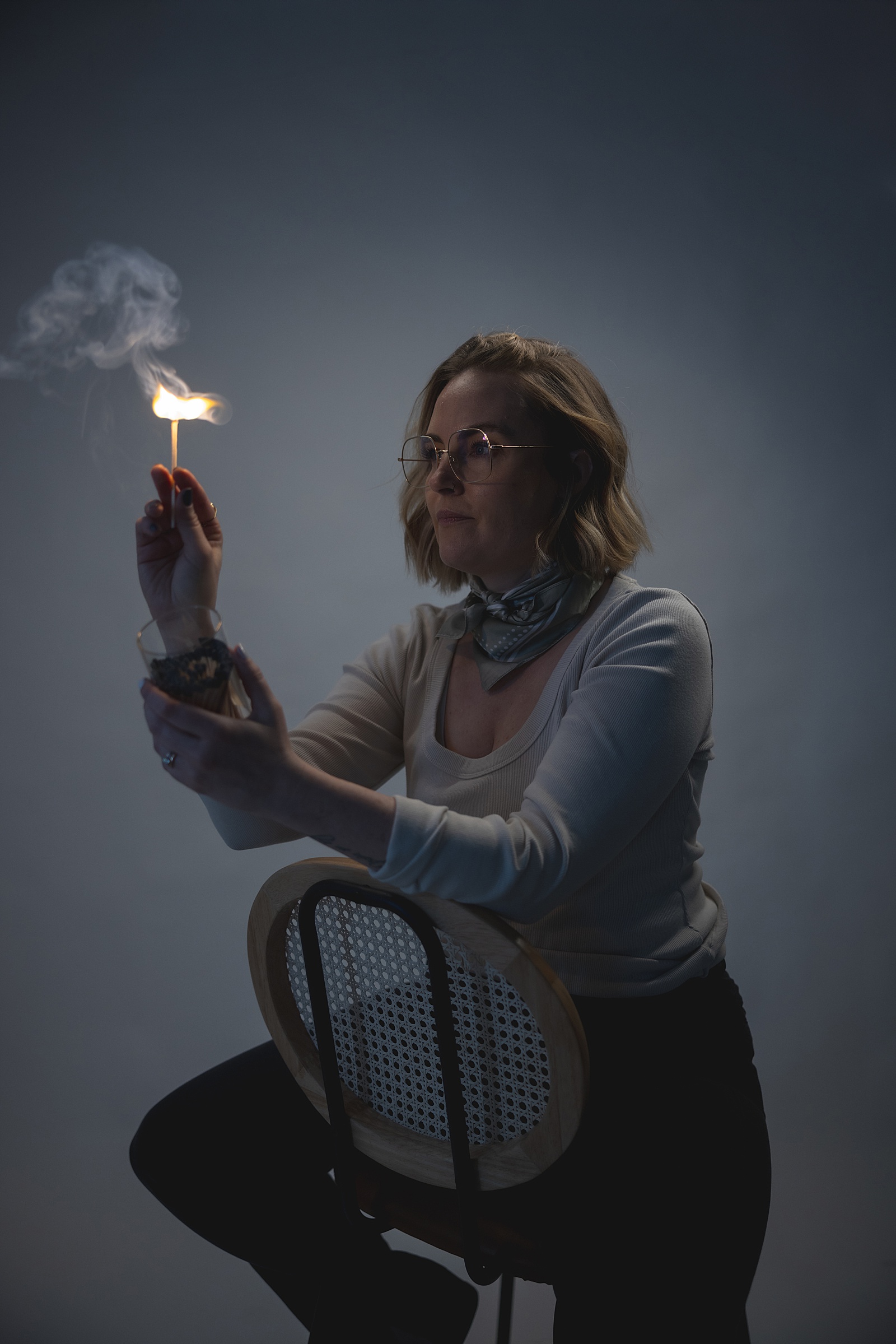
You have permission to burn it.
And write a new one.