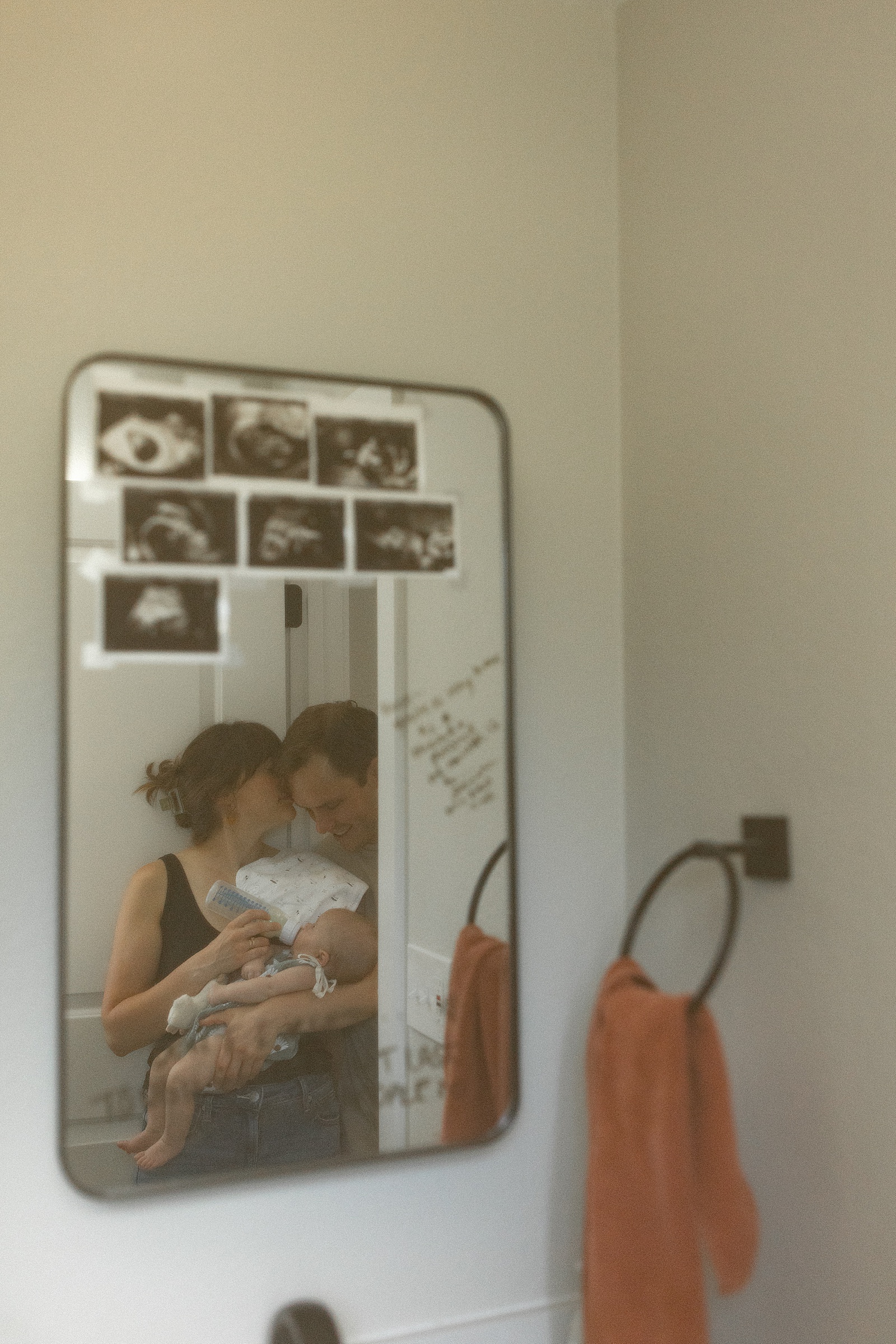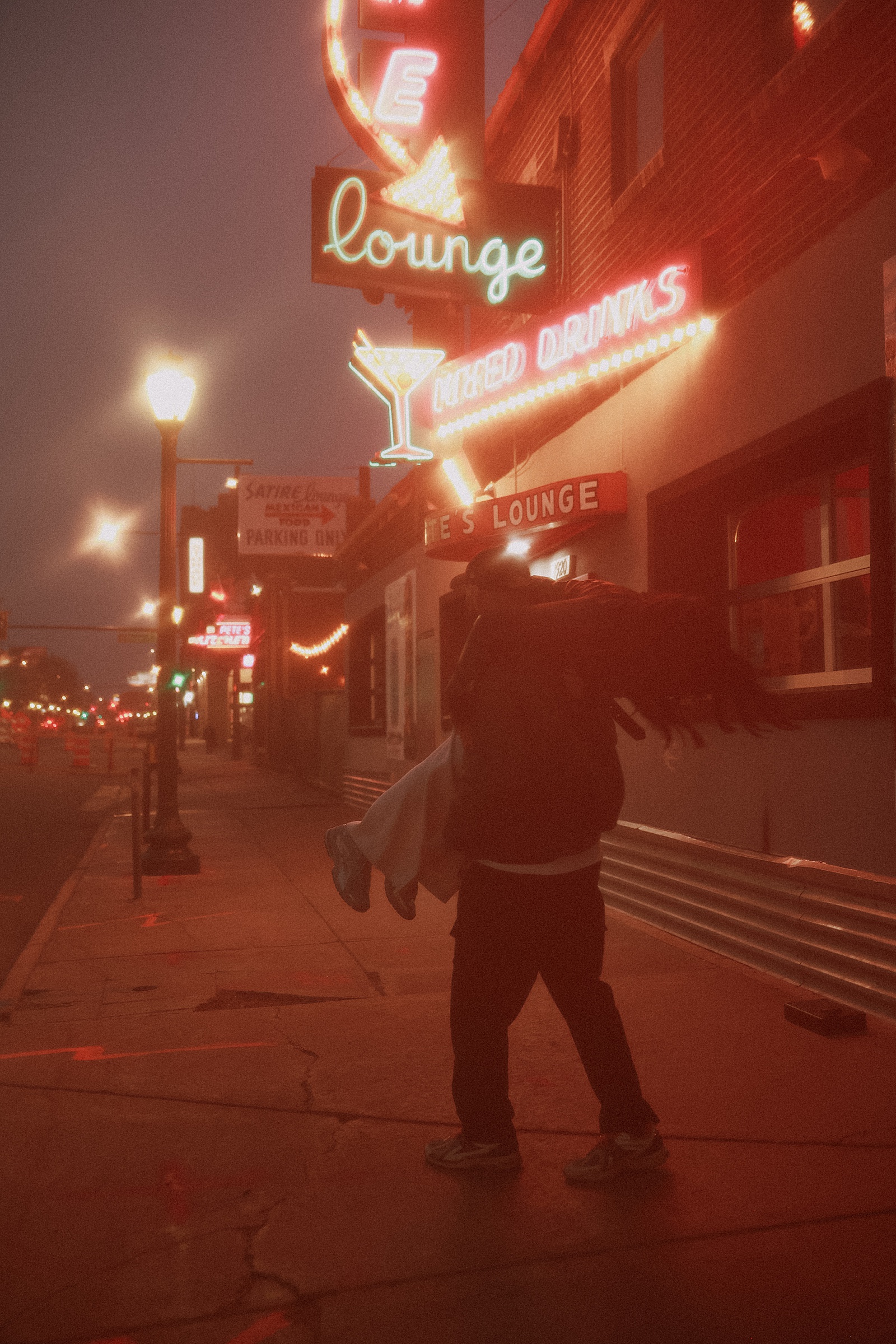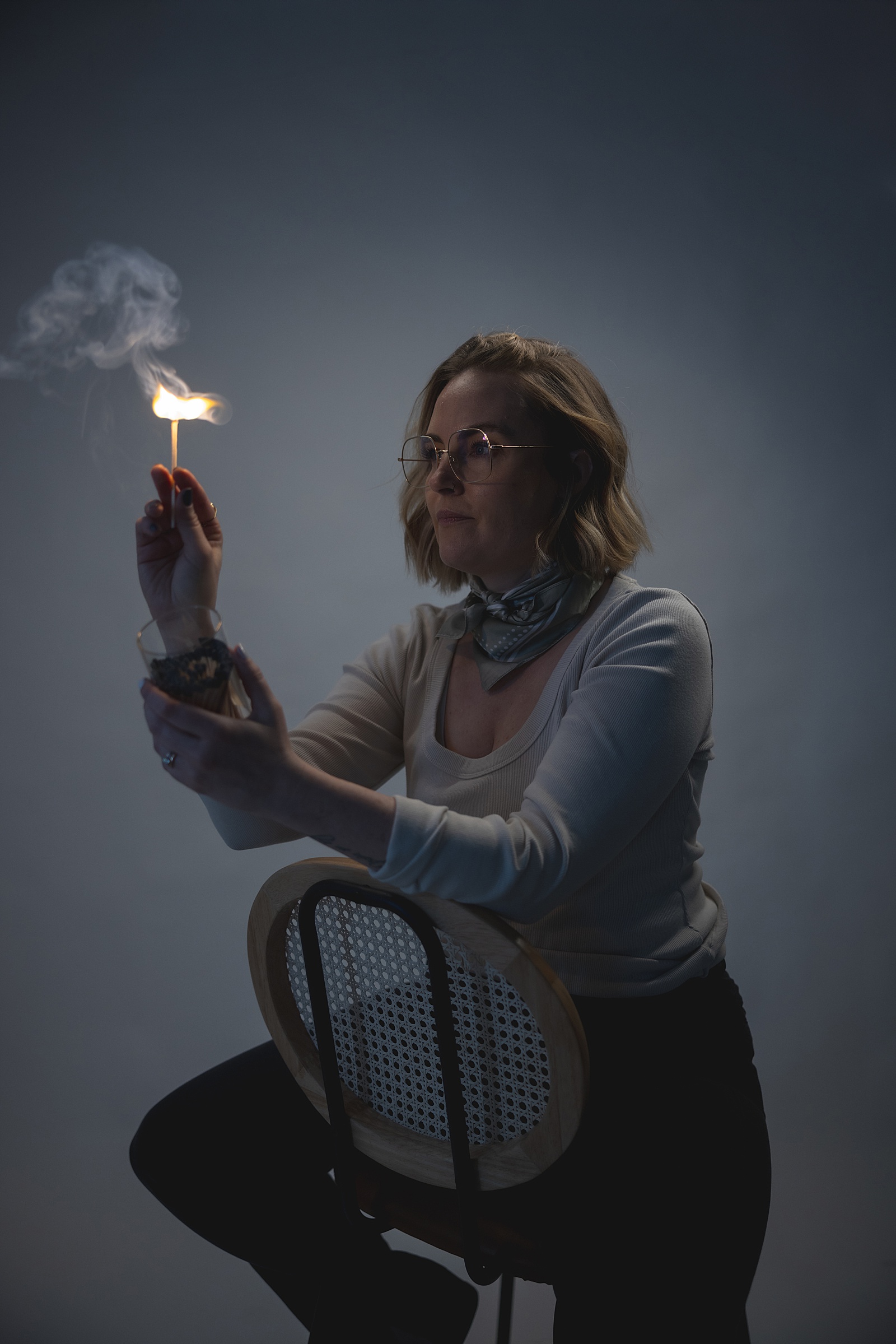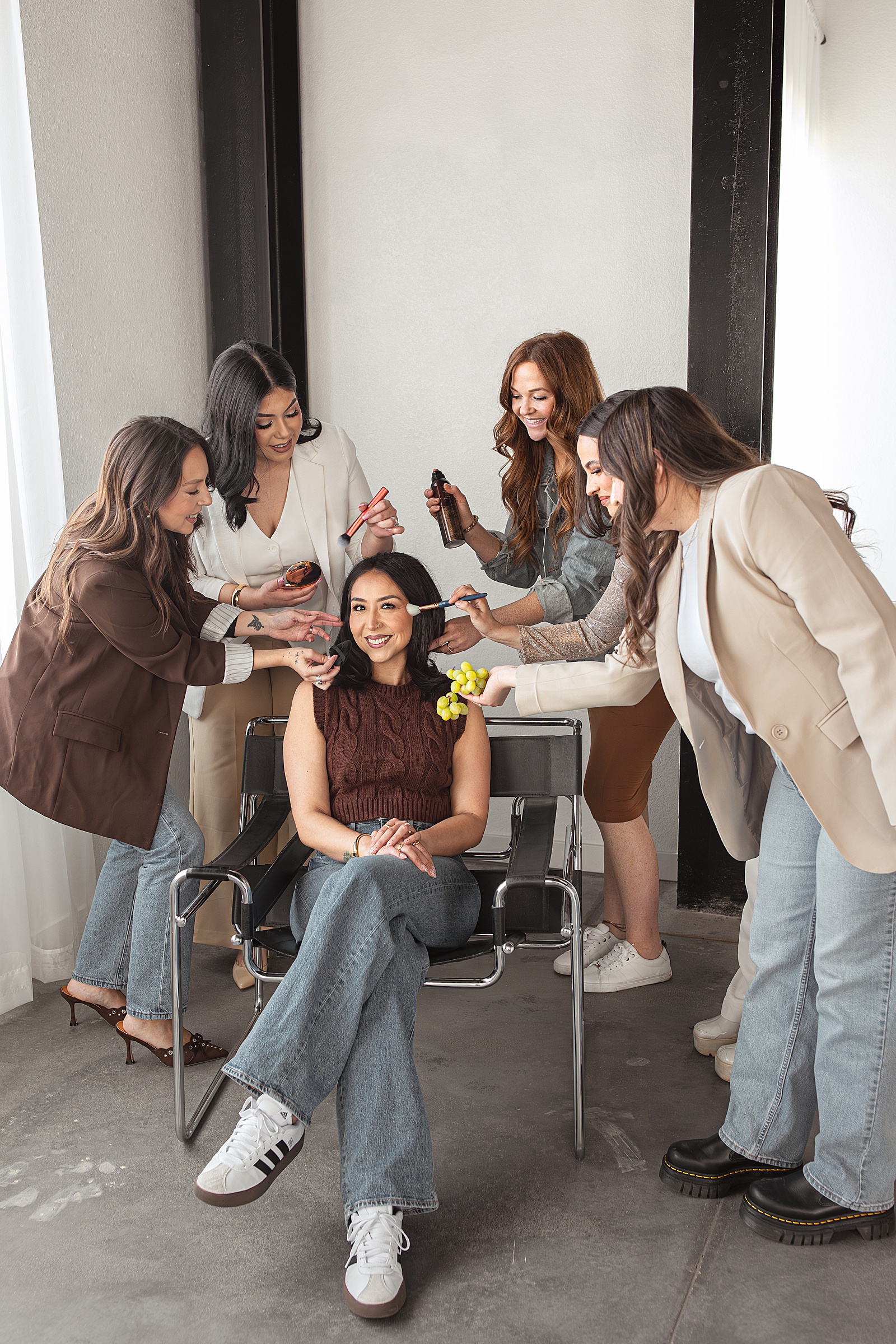


When most people start thinking about their Denver branding photography, they focus on the visible stuff; outfits, colors, location, props etc. The Pinterest board with 47 saved images of women laughing at laptops. Listen, aesthetics matter. I’m a photographer, I care deeply about aesthetics. But after years of photographing business owners, I’ve noticed something interesting: The photos that actually connect with people aren’t usually the most beautiful ones. They’re the ones that feel believable. And that’s where the secret sauce comes in, body language.
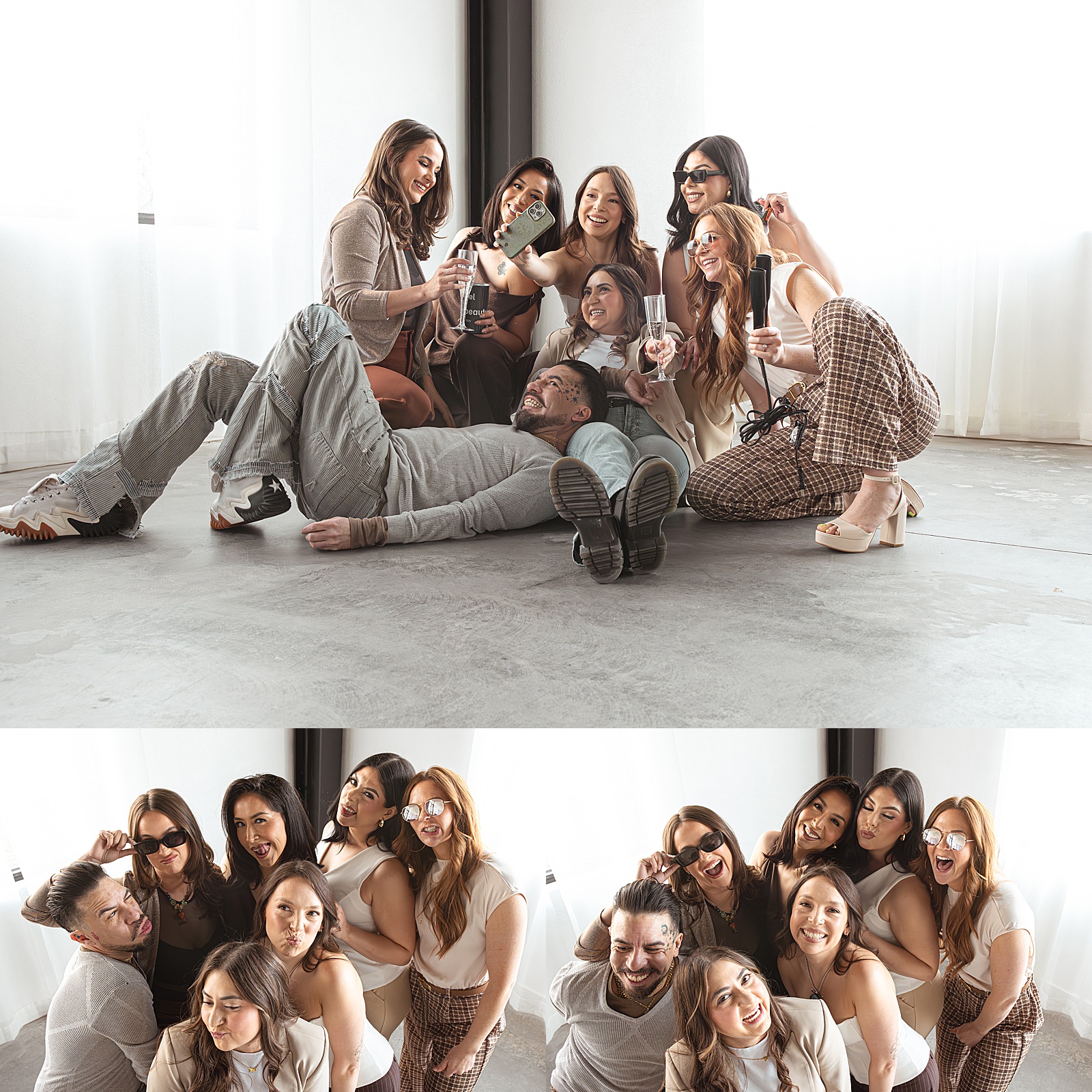
Most Founders Are Focusing on the Wrong Thing
I can’t tell you how many planning calls I’ve had where someone spends twenty minutes worrying about whether they should wear the beige blazer or the black blazer. Meanwhile, they’re completely overlooking the thing that’s going to have a much bigger impact on how they’re perceived. How they show up in the photo. Because here’s the reality: Your audience isn’t analyzing your outfit nearly as much as you think they are. They’re deciding how they feel about you. Within seconds, people are making assumptions about whether you seem approachable, trustworthy, confident, knowledgeable, or relatable. Research consistently shows that nonverbal cues like posture, facial expression, and body positioning play a significant role in first impressions. In other words, your audience is picking up on a lot more than your color palette.
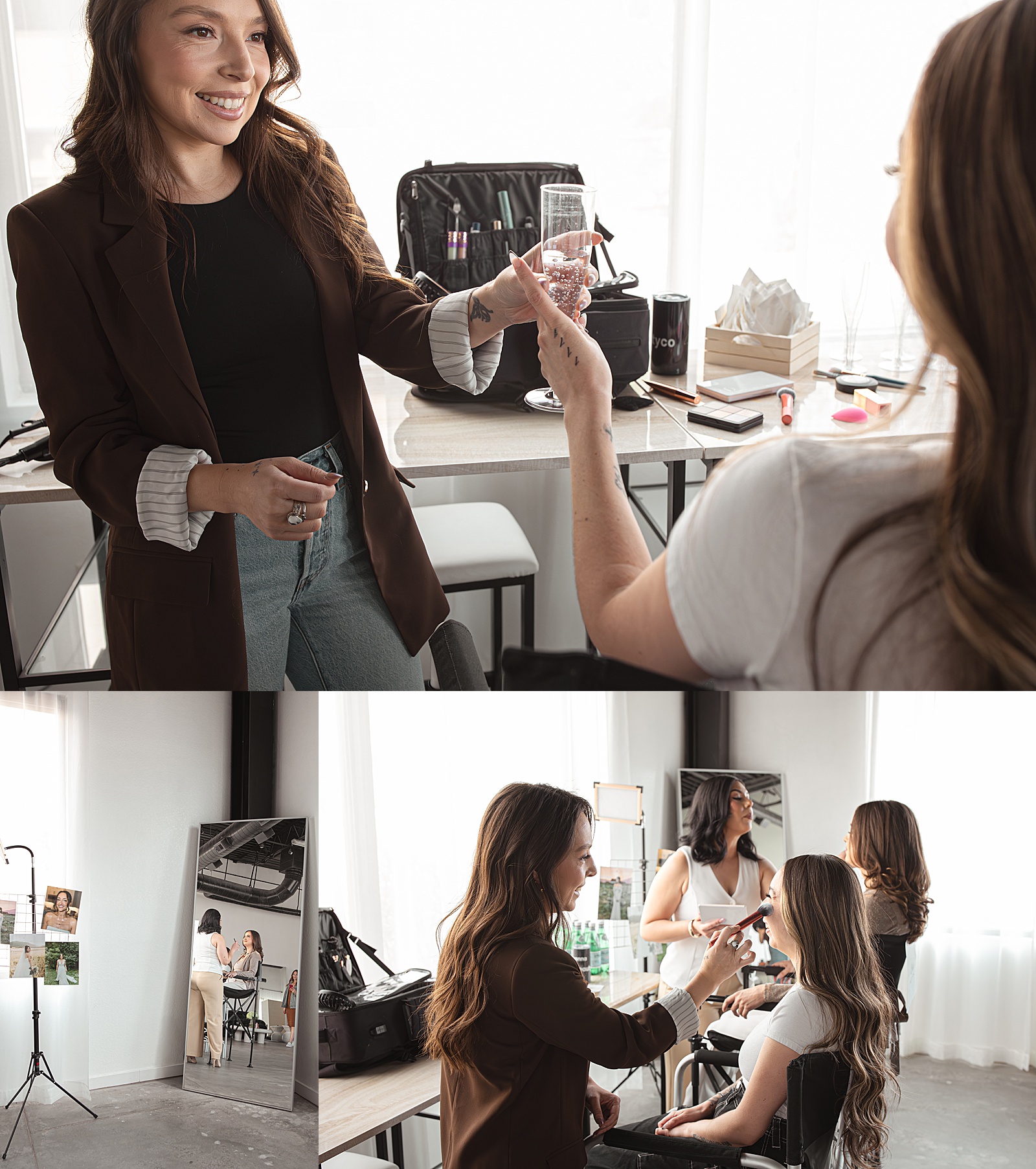
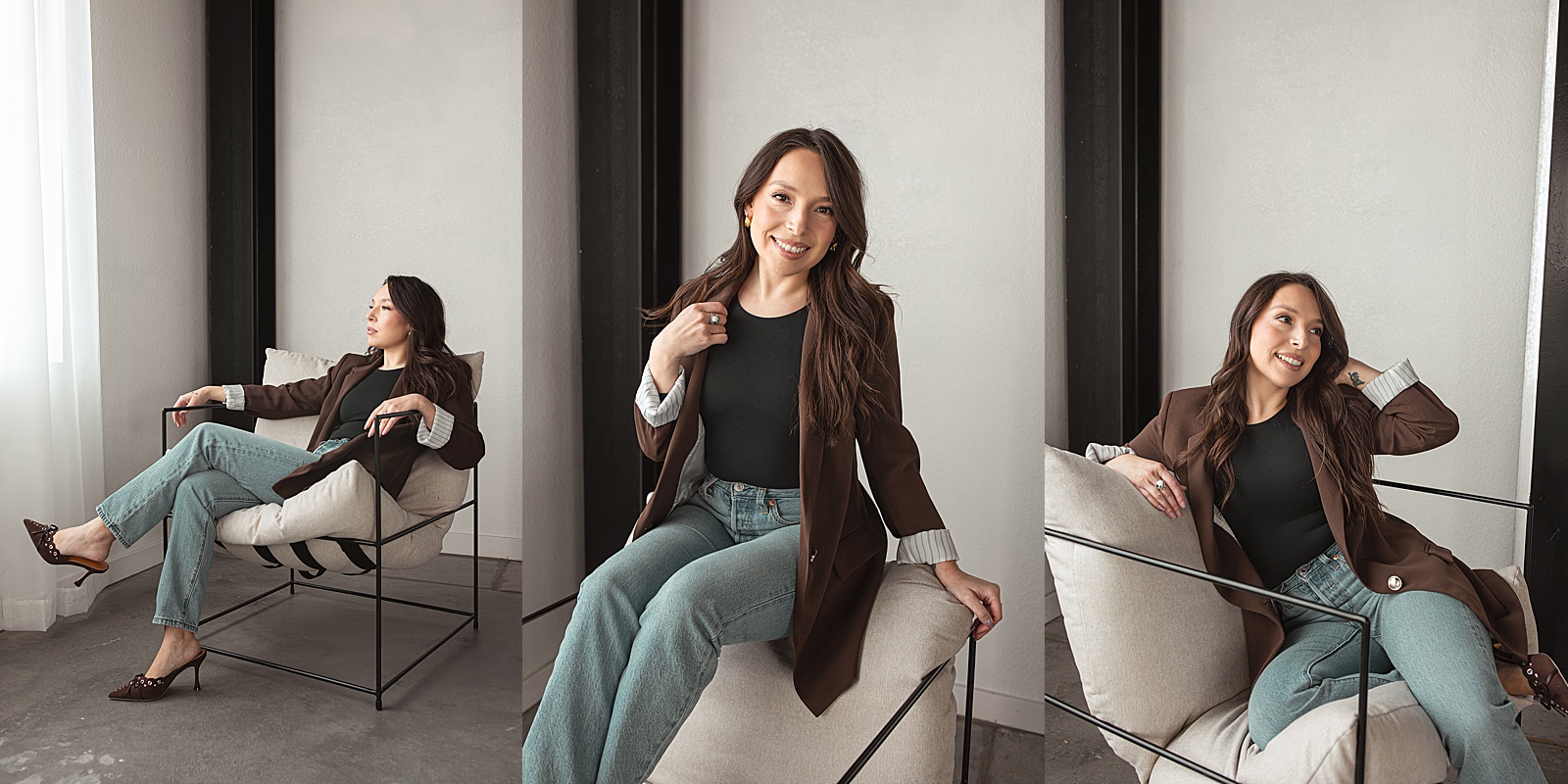
Why Some Branding Photos Feel Stiff
Most people aren’t uncomfortable because they’re “bad at photos.” They’re uncomfortable because they’re trying to control everything. The second a camera comes out, people start managing themselves. They adjust their smile. Worry about their chin while trying to look successful. Professional. Confident. (And each of those things can look different to certain people!) So, suddenly they’re standing there like a substitute teacher on the first day of school. The irony is that the harder people try to look confident, the less natural they appear. You can see the effort. And effort photographs.
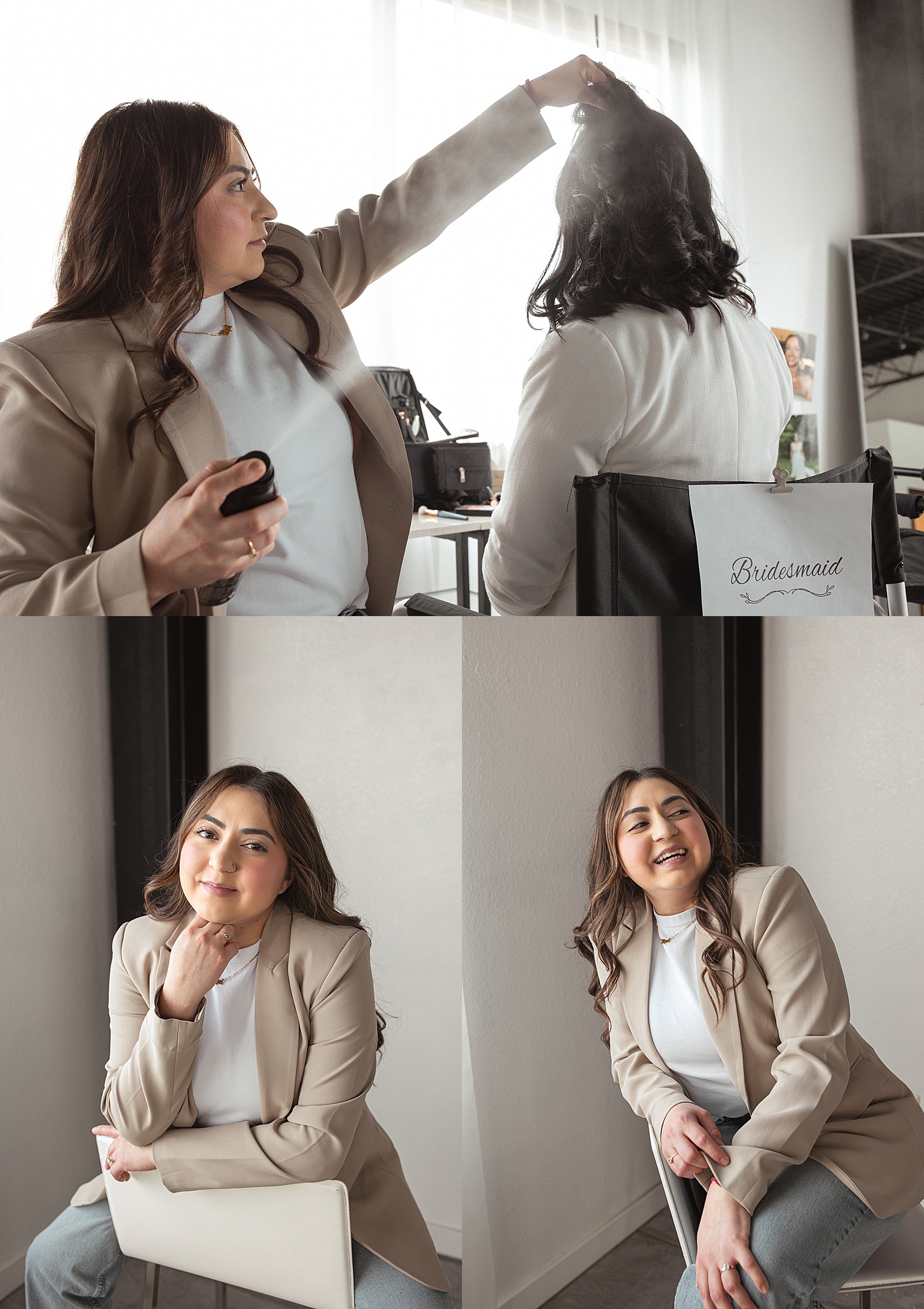
Body Language Communicates Before You Ever Speak
Think about the last time you landed on someone’s website. You probably formed an opinion before reading a single paragraph. Maybe they seemed warm to you, or intimidating. Did they look like someone you’d happily hire? Maybe they felt strangely disconnected, even though everything technically looked polished. That’s body language at work. Your audience is constantly gathering information from subtle cues. Do you look comfortable in your own skin? Do you seem engaged? Do you appear approachable? Do you look like someone who genuinely enjoys what they do? Nobody consciously sits down and scores these things on a checklist. But our brains are wired to notice them.
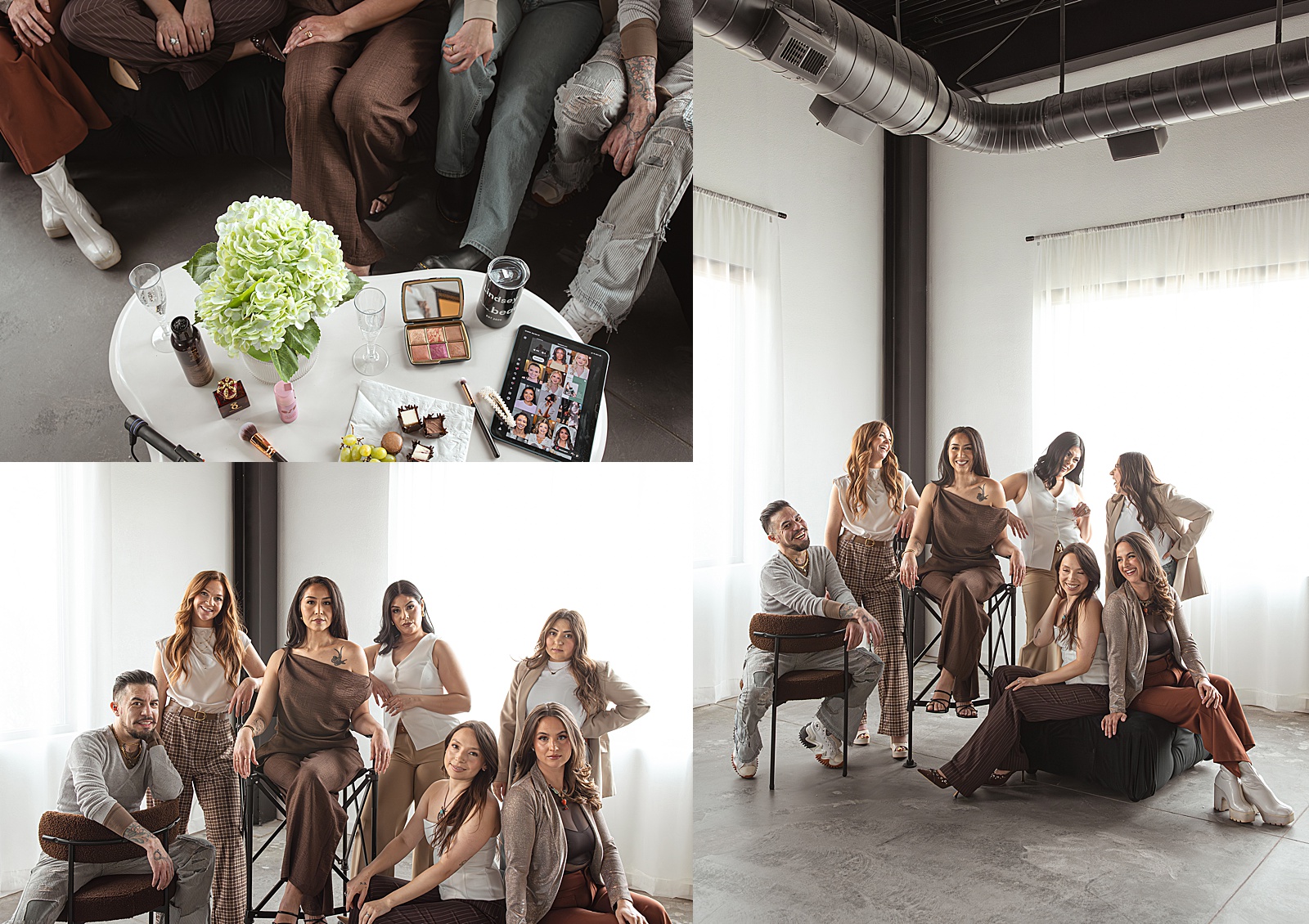
The Problem With Performative Confidence
The online business world has convinced a lot of people that confidence has a specific look: Crossed arms with a power stance. Big smile + direct eye contact. And sure, those things can work, but confidence isn’t actually a pose. Confidence is ease. It’s the difference between someone trying to look confident and someone who feels settled enough that they don’t have to think about it. You know it when you see it. It’s why some photos feel magnetic even though nothing dramatic is happening. The person simply looks comfortable being themselves.
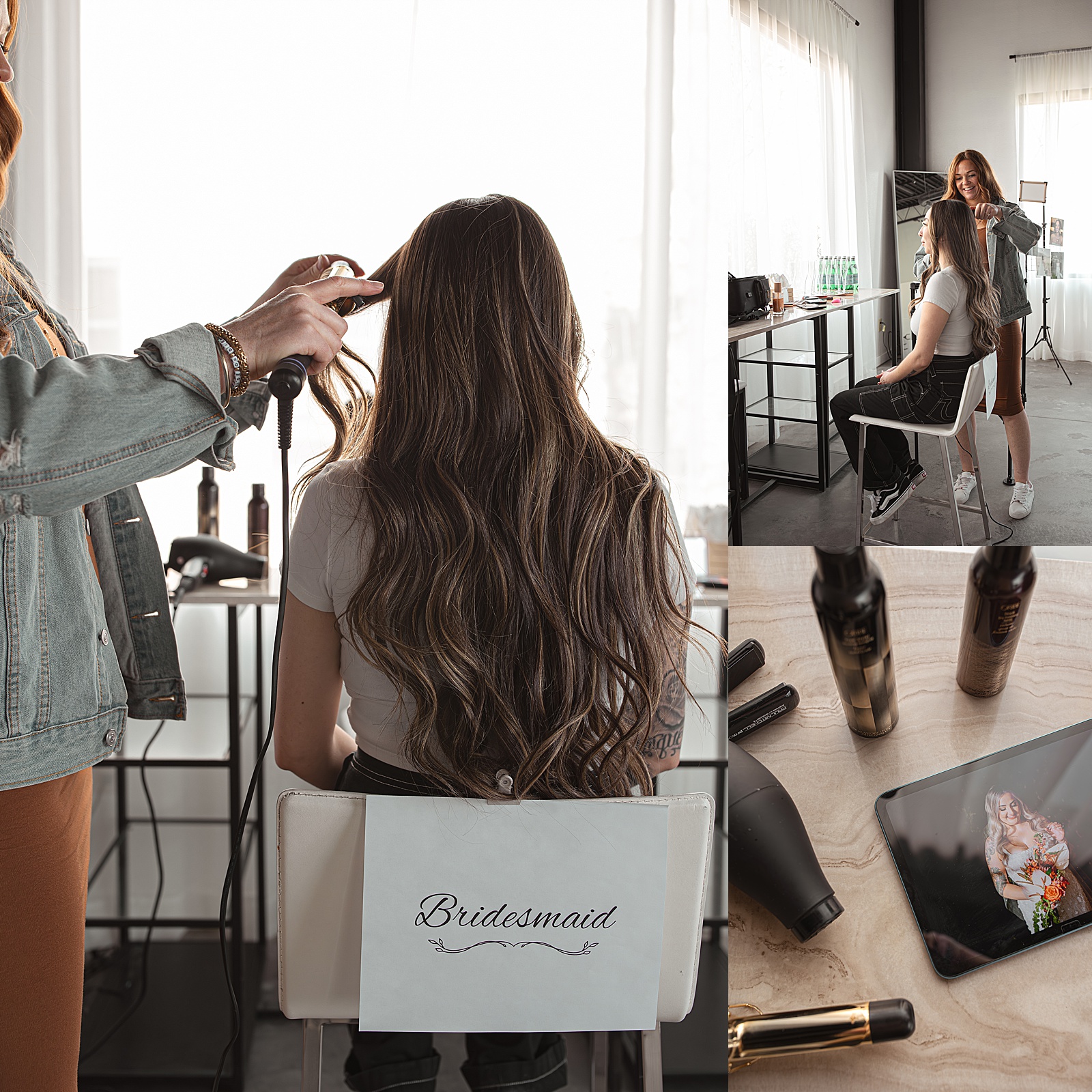
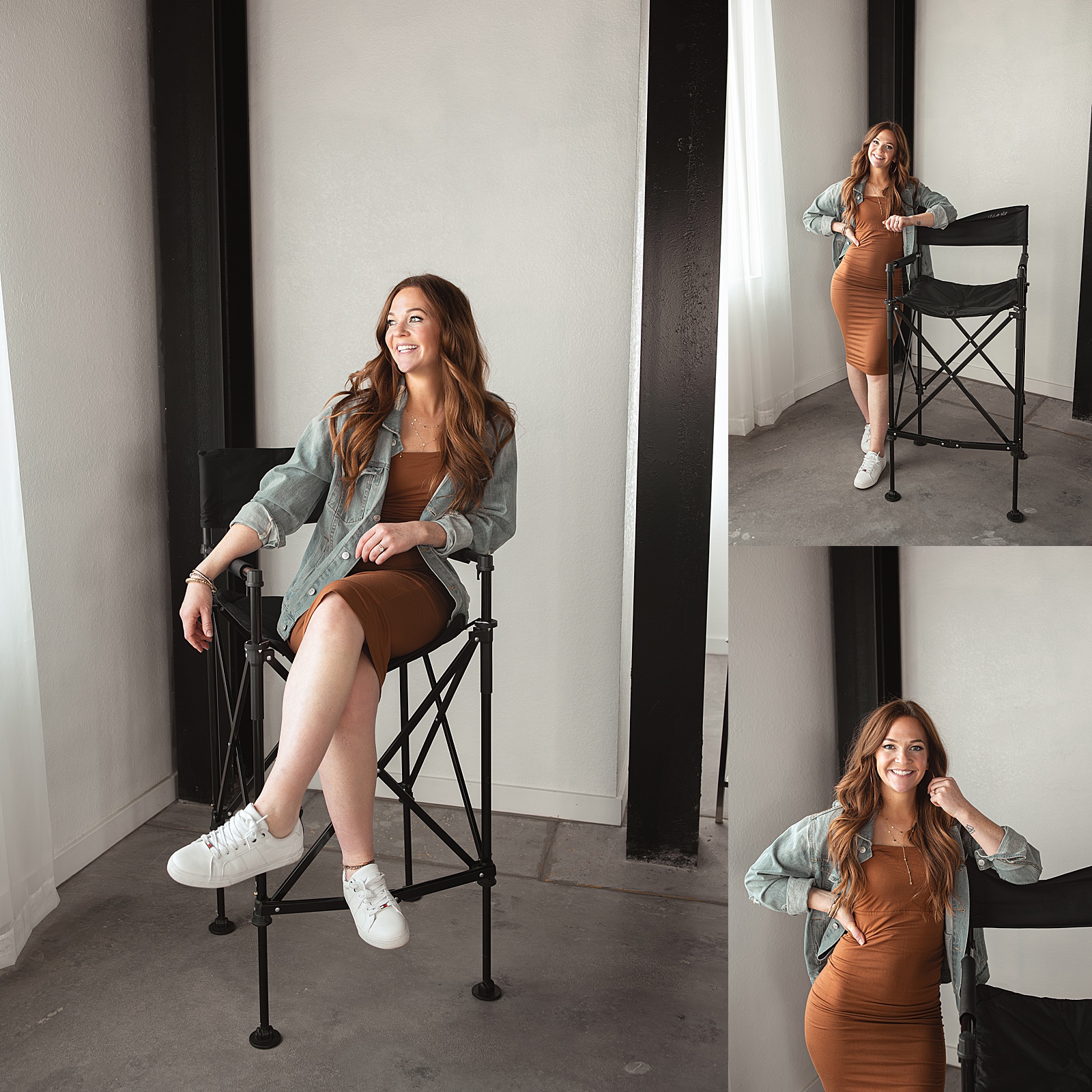
Why This Matters for Denver Branding Photography
If you’re a coach, creative, consultant, therapist, photographer, designer, or service provider in Denver, you’re probably operating in a crowded market. There are a lot of talented people doing what you do. Most of them have professional photos with nice websites. Brand colors and carefully written bios. What often creates the difference isn’t aesthetics, it’s connection. People hire people they trust. And trust is built through hundreds of tiny signals. Body language is one of them. When your branding photos feel natural, your audience feels more at ease too. When you look comfortable, people are more likely to imagine themselves working with you. When you look like a real person instead of a perfectly curated character, people tend to lean in.
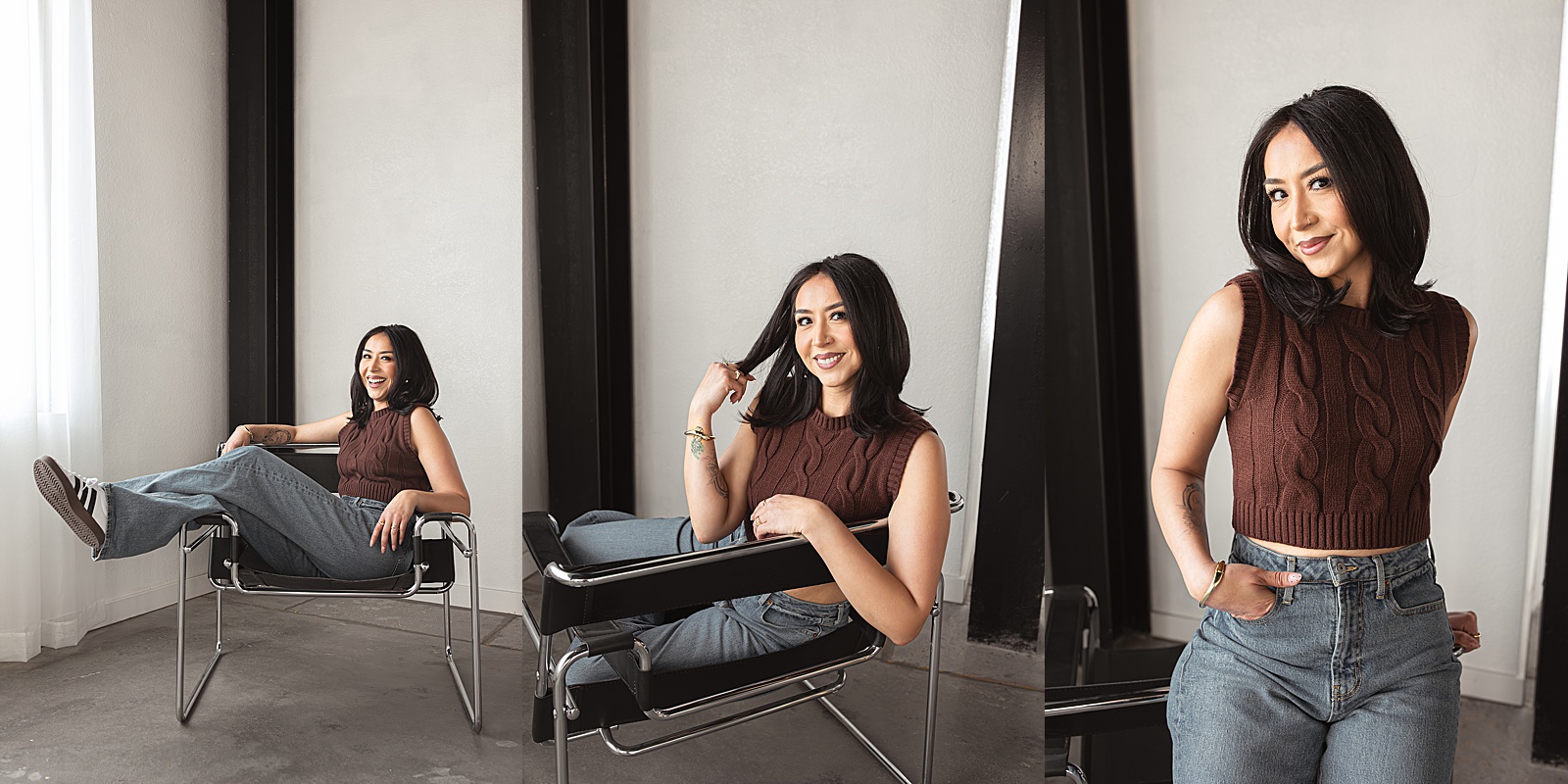
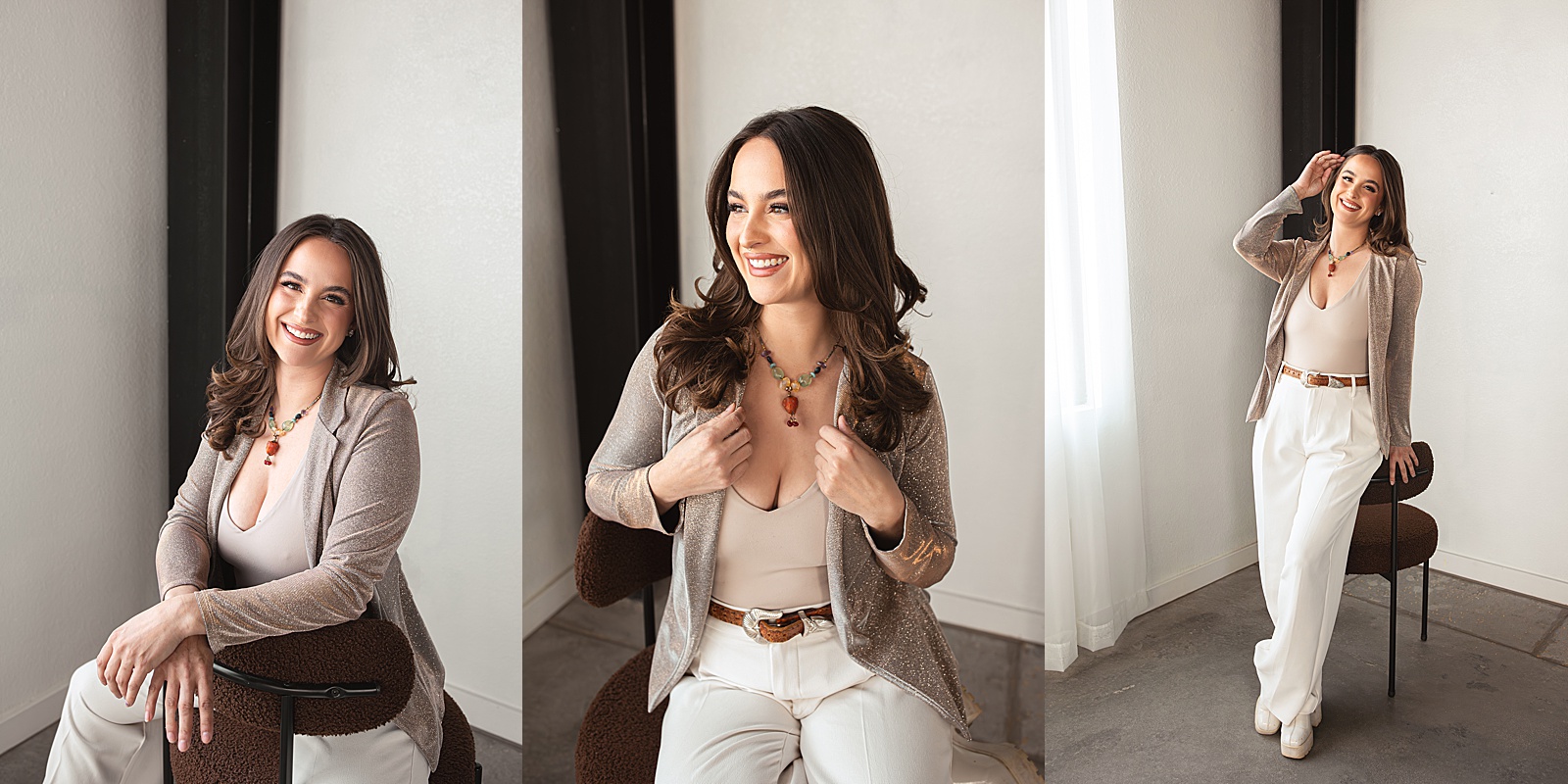
How Blue Flame Studio Approaches Denver Branding Photography Differently
This is exactly why body language isn’t something we figure out on the fly during your session. By the time we start photographing, we’ve already had conversations about who you are, what your business does, and—most importantly—who you’re trying to connect with. Every branding client receives a questionnaire before their session. Not because I enjoy assigning homework, but because the answers matter. I want to know:
- Who are we talking to?
- What does your audience need from you?
- How do you want people to feel when they land on your website?
- What misconceptions are we trying to overcome?
- What makes people trust you?
Because a business coach serving ambitious entrepreneurs is going to communicate very differently than a therapist, a fitness coach, or a creative business owner. If your audience needs someone direct, confident, and no-nonsense, your body language should support that. The way you stand, the amount of eye contact, the energy in your posture—it all tells a story. If your audience is looking for someone nurturing, approachable, and supportive, that’s a completely different conversation. The body language, expressions, movement, and posing choices shift right along with it. Neither is better. They’re just speaking to different people. During your session design call, we take everything from your questionnaire and build a plan around it. We talk through your brand, your audience, your goals, and how you want to show up in your images so that when someone lands on your website, the photos aren’t just attractive—they’re communicating. Because branding photography isn’t just about looking good, it’s about being understood. So, when your body language, your brand, and your audience are all speaking the same language, that’s when your photos start working for you long after the session is over.