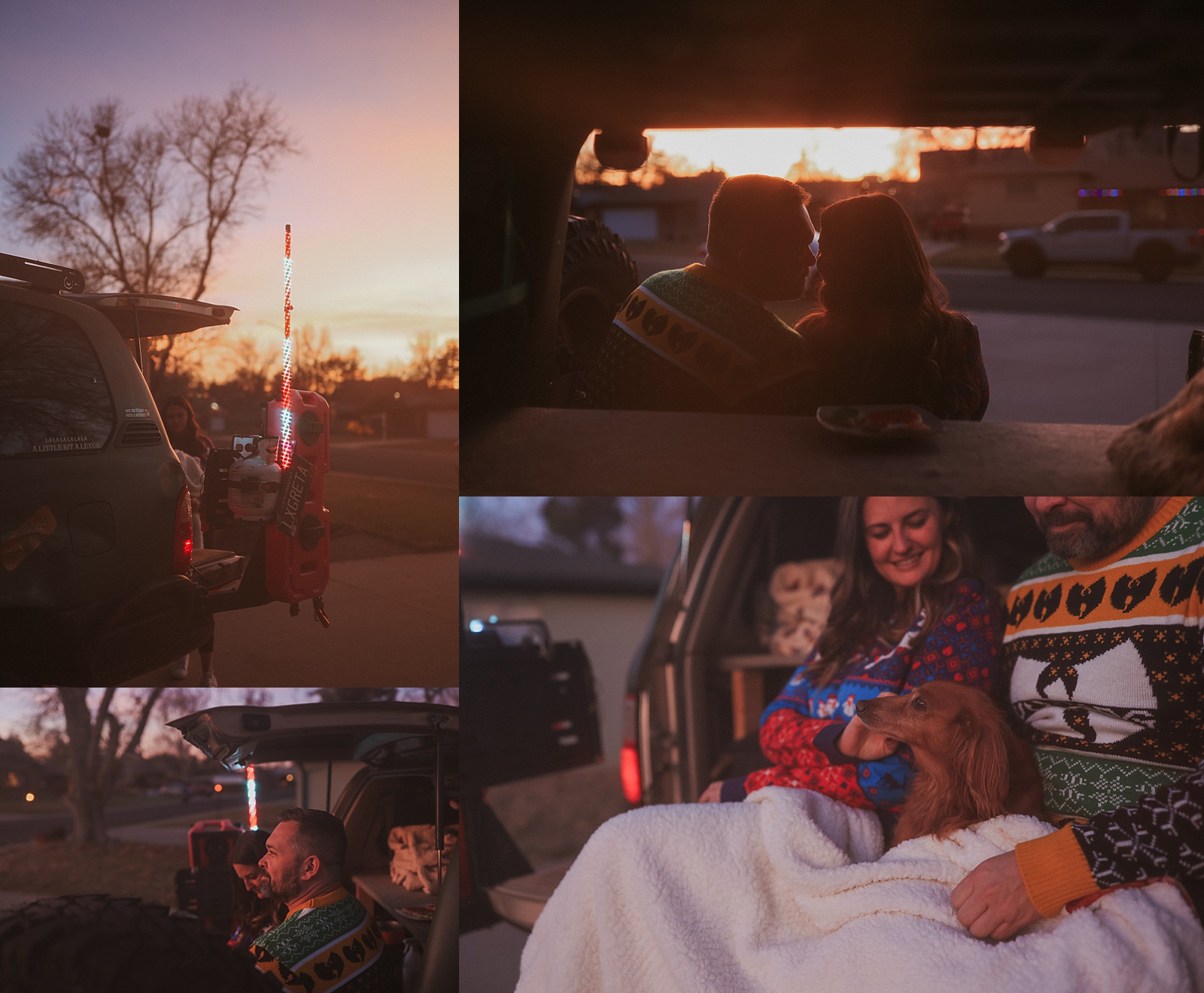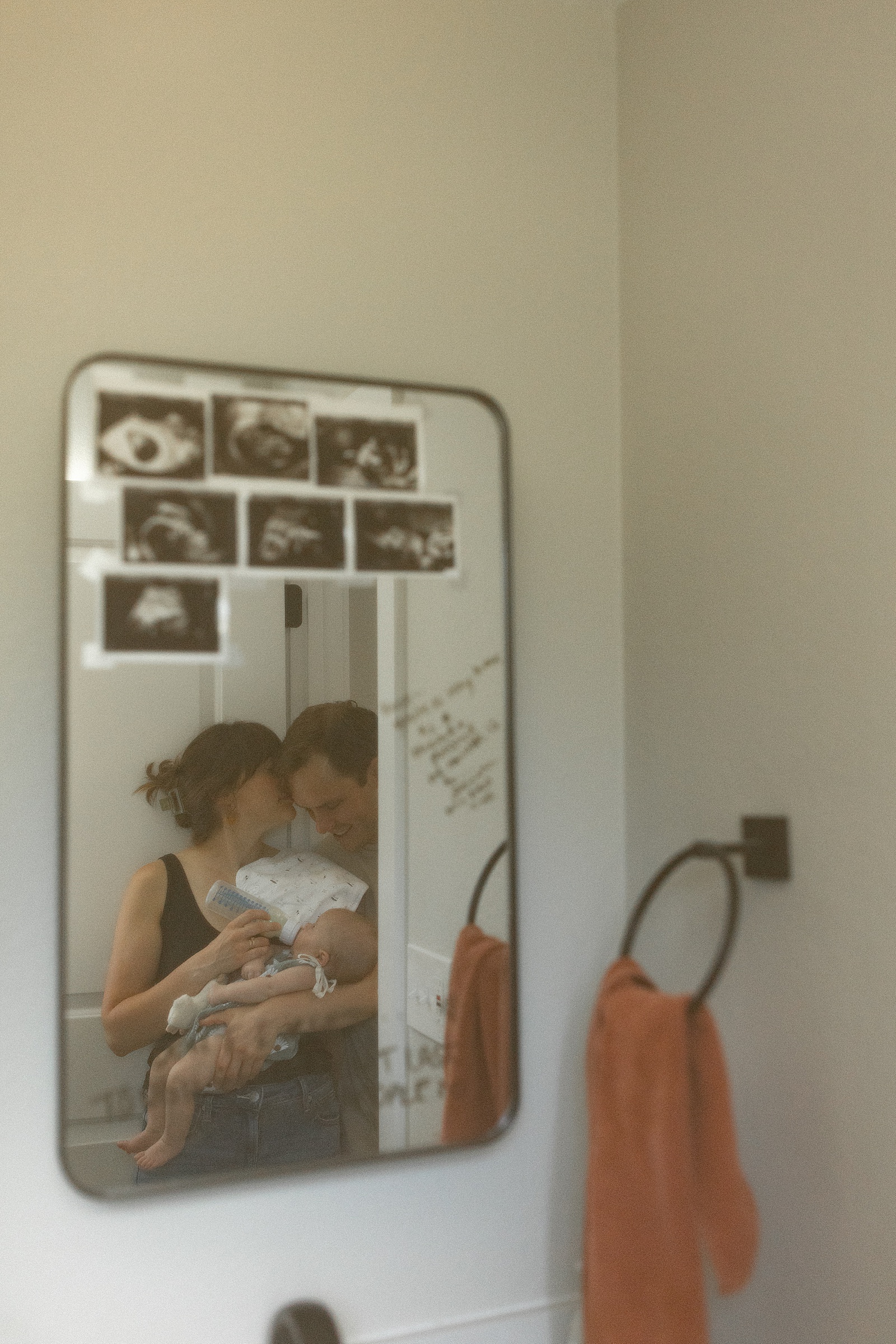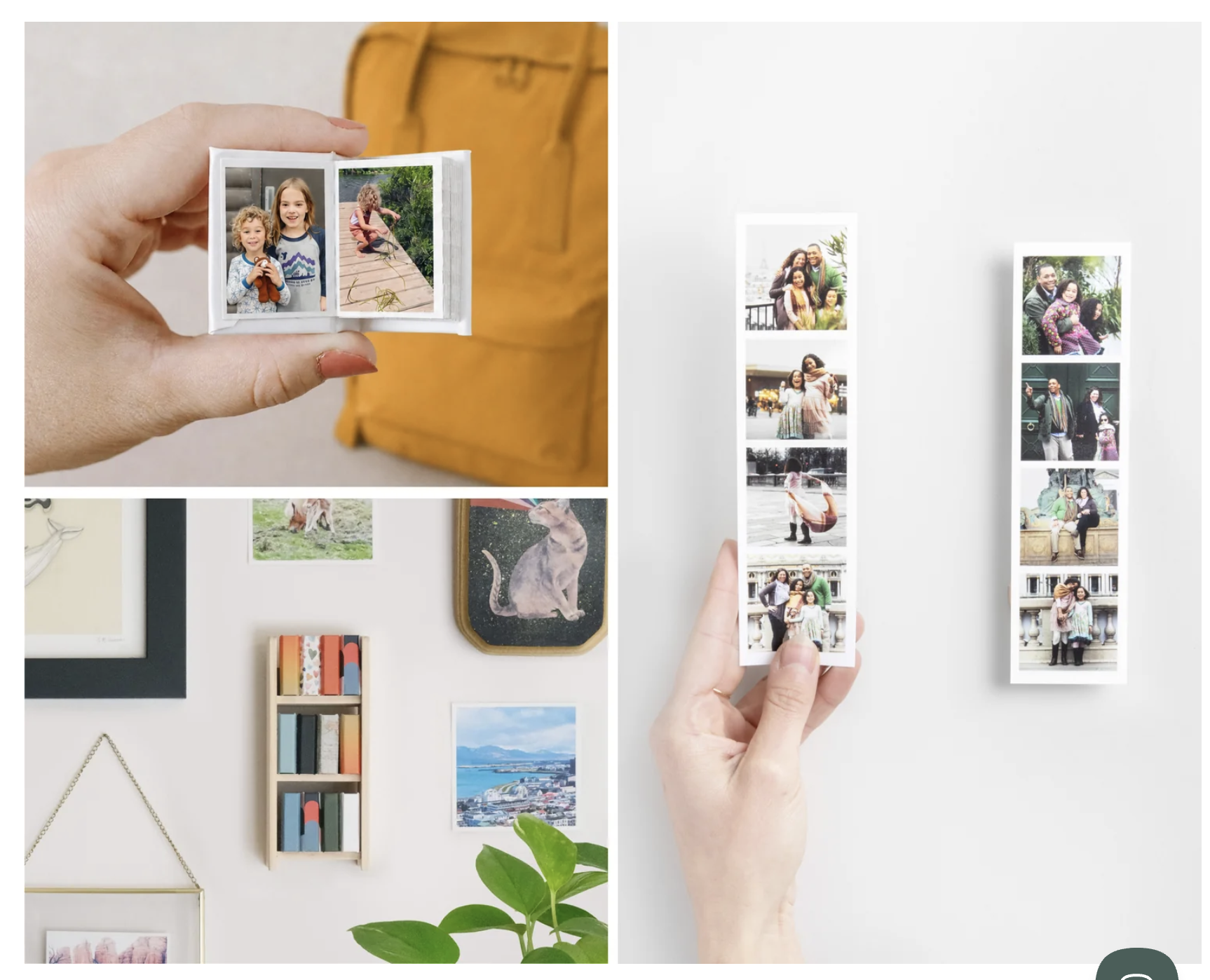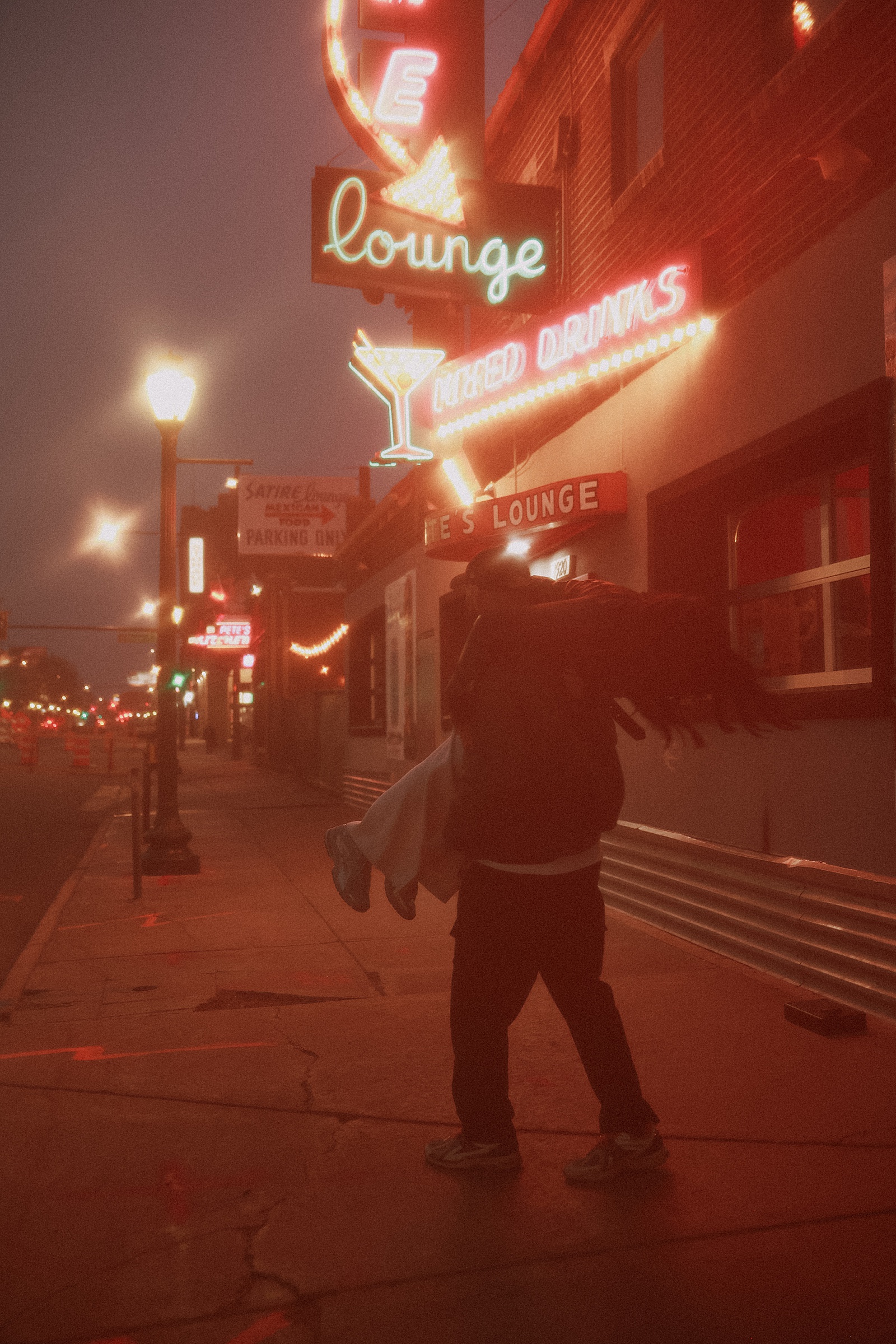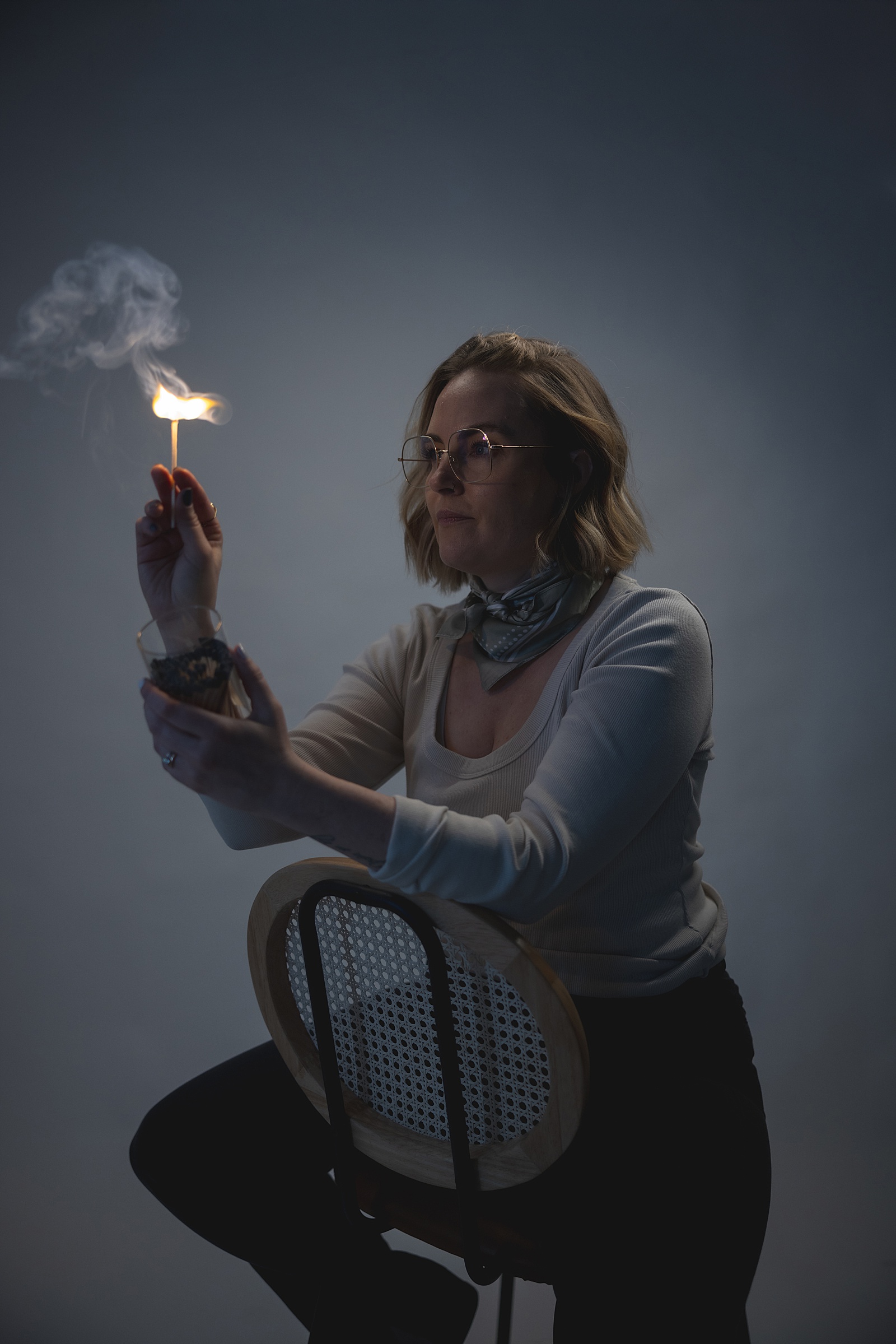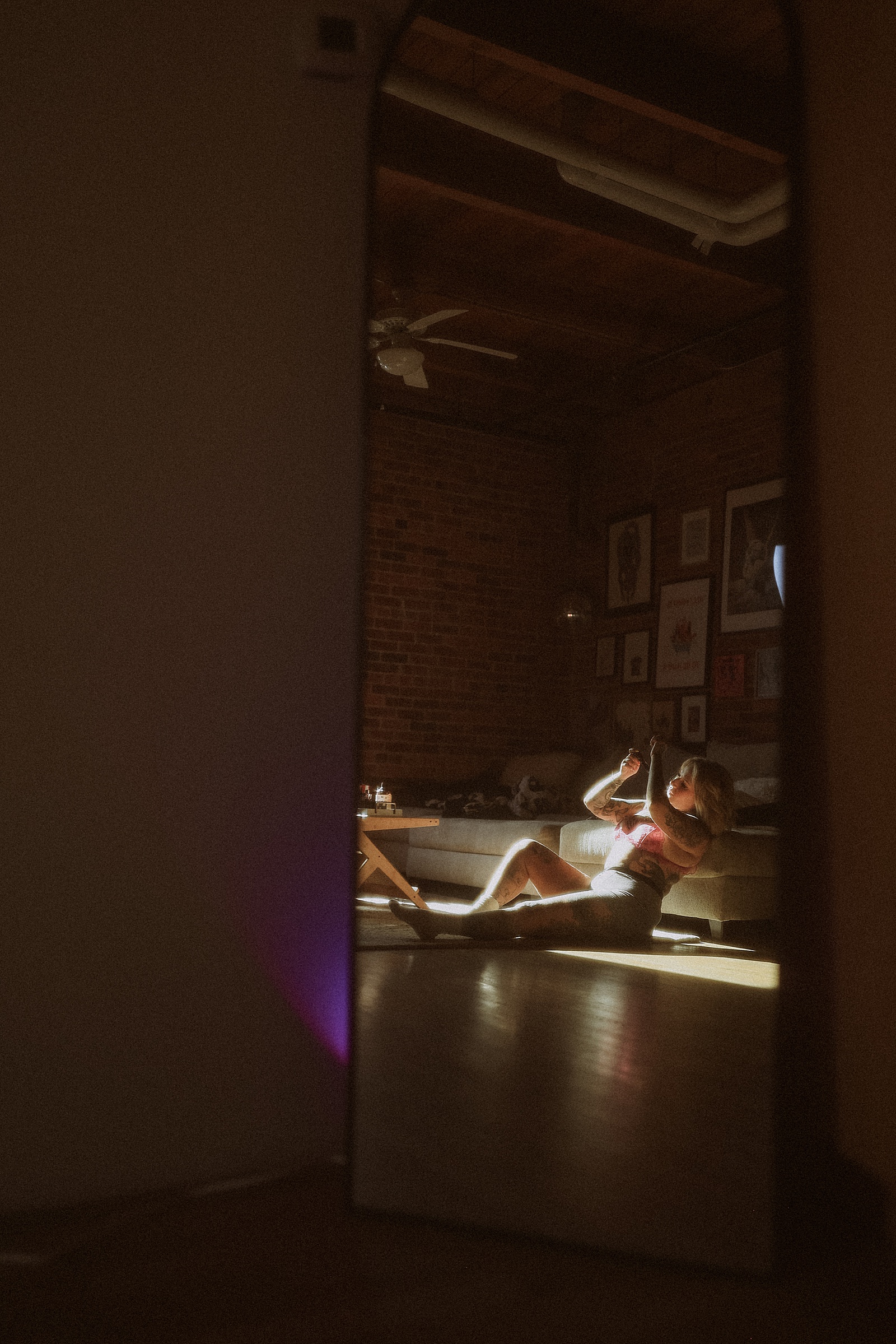


Framing some photographs today and my mind wandered. I have thousands, shit maybe even approaching a million photos sitting on my phone, hard drives etc. So much time, so many memories captured, but for what? I have only printed a fraction of a fraction of them. I got curious about the psychology of capturing everything but holding nothing.
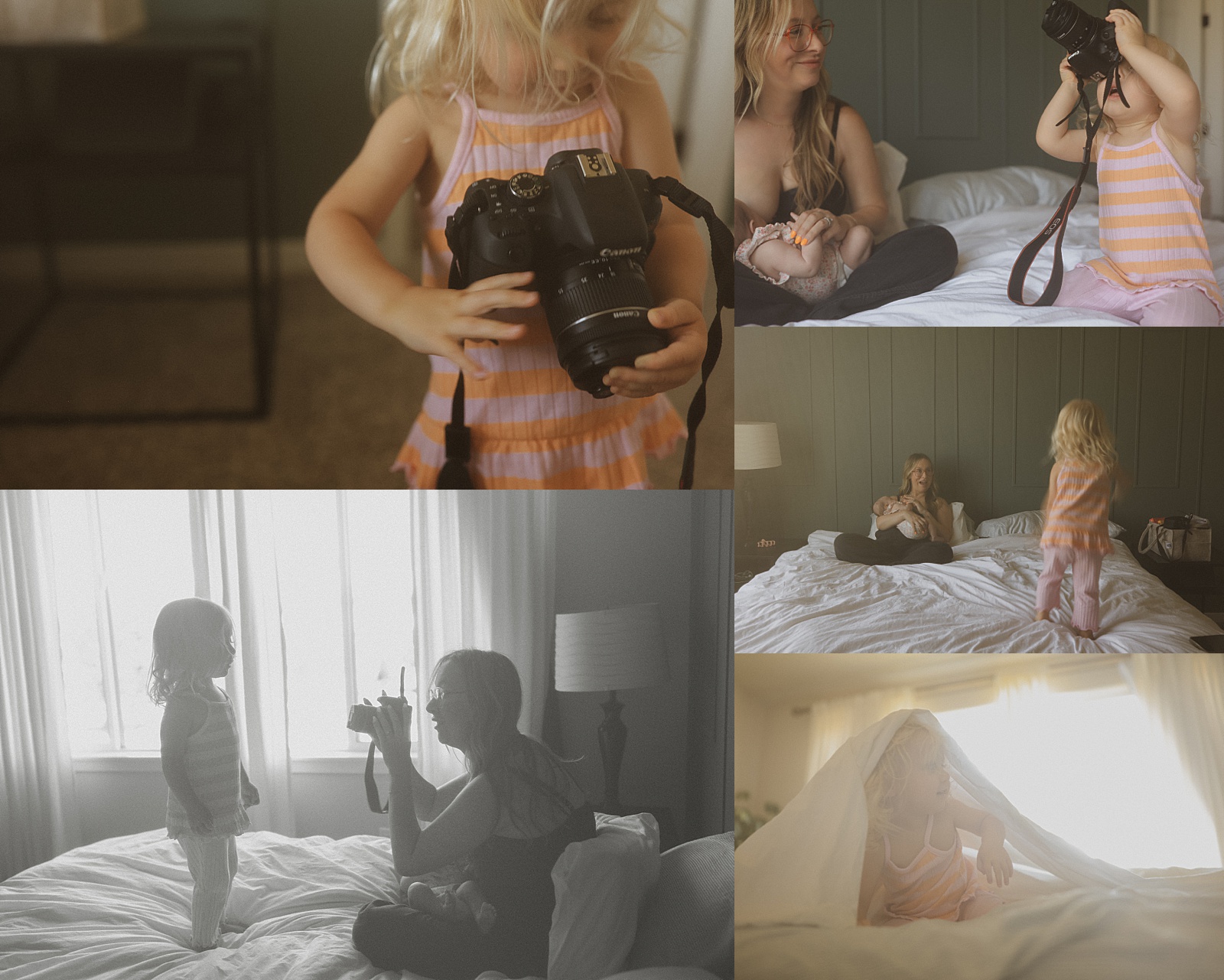
As of 2024, 1.7–1.9 trillion photos are taken every year globally, thats 4–5 billion photos per day! 92–95% of those are via smart phone with the average person taking 150 photos per month. AKA, we are documenting our lives at a level no generation ever has. With thousands of photos just sitting on our phone, about 1,500+ photos on average adult’s phone. About 19% of people rarely or never look back at their photos. There is even a term, “Untapped memory syndrome,” because so many people are admitting they are forgetting moments or losing them entirely when phones go. We are capturing memories but then we aren’t engaging with them. Social sharing has become the primary endpoint of photography, not printing. I am not on a high horse here, I am guilty as well. But I am also a millennial. A millennial photographer, a complicated relastionship.
Ok, that was a lot of stats but what’s the psychology?
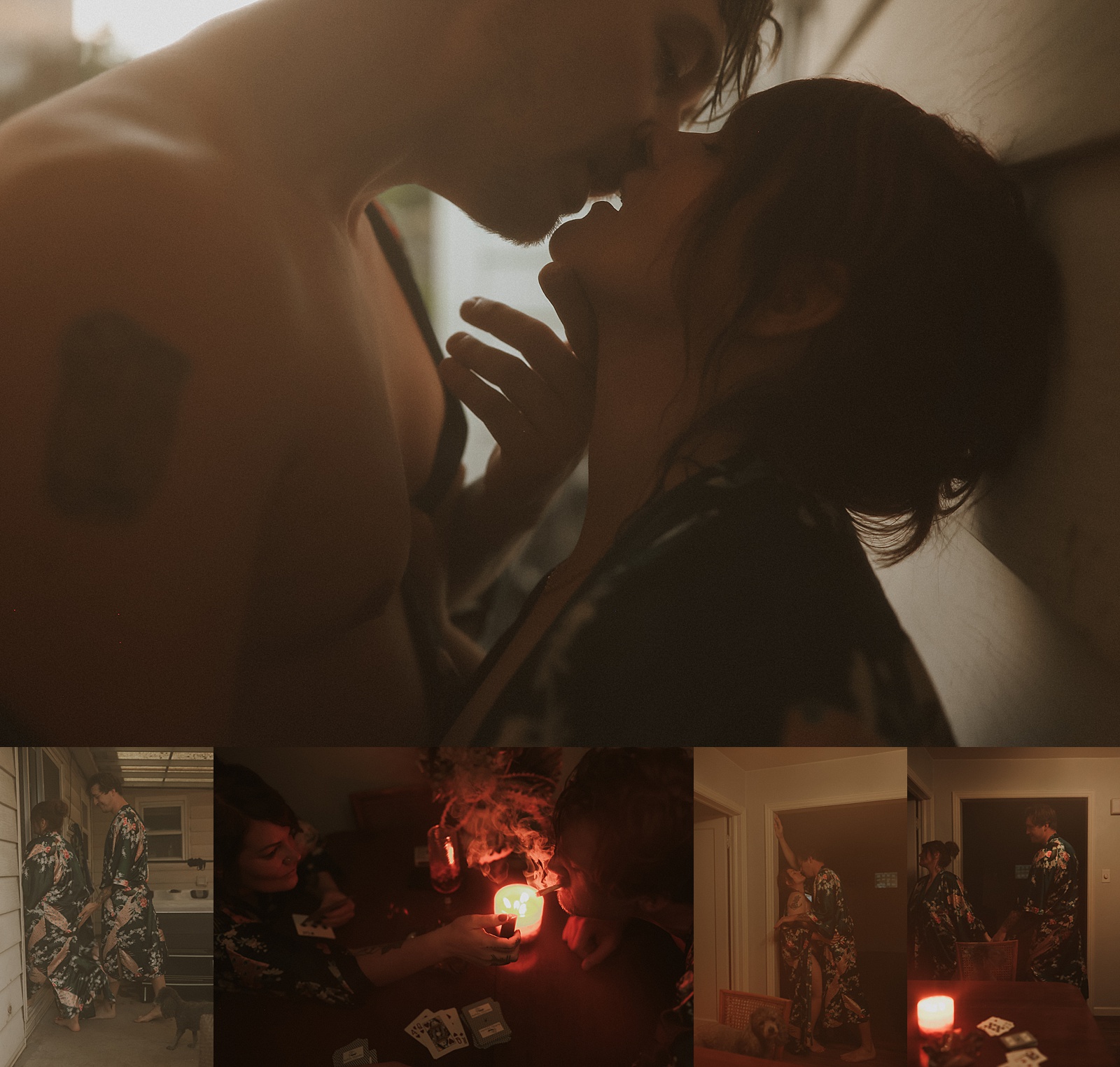
Capturing Feels Like Keeping
There’s a quiet belief underneath most photos: ‘If I take this, I won’t lose it.’ Photography has become our way of negotiating with time with a way to soften the fear that something meaningful is slipping past us too quickly. But capturing isn’t the same as keeping. It’s the beginning of a story we rarely finish.
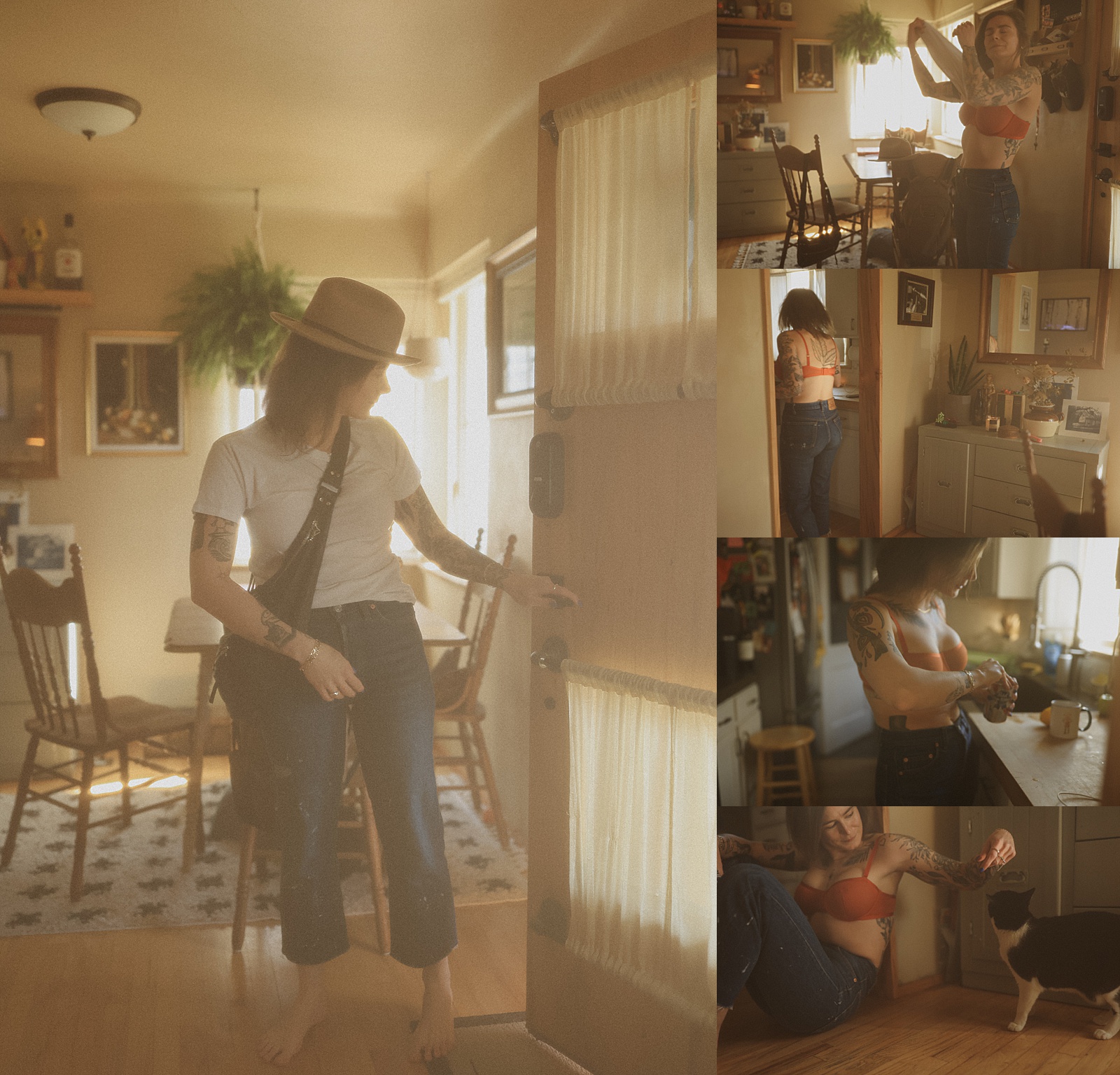
When Everything Is Important, Nothing Is Chosen
Back in the day, we used to take photos sparingly. (Obviously think before even millennials.) Now we take them endlessly and something subtle happens when there’s no limit: Nothing stands out anymore. Not because the moments weren’t meaningful, but because we never paused long enough to decide which ones were. So the photos never see the light of day. Not like they don’t matter… but because too many of them do.
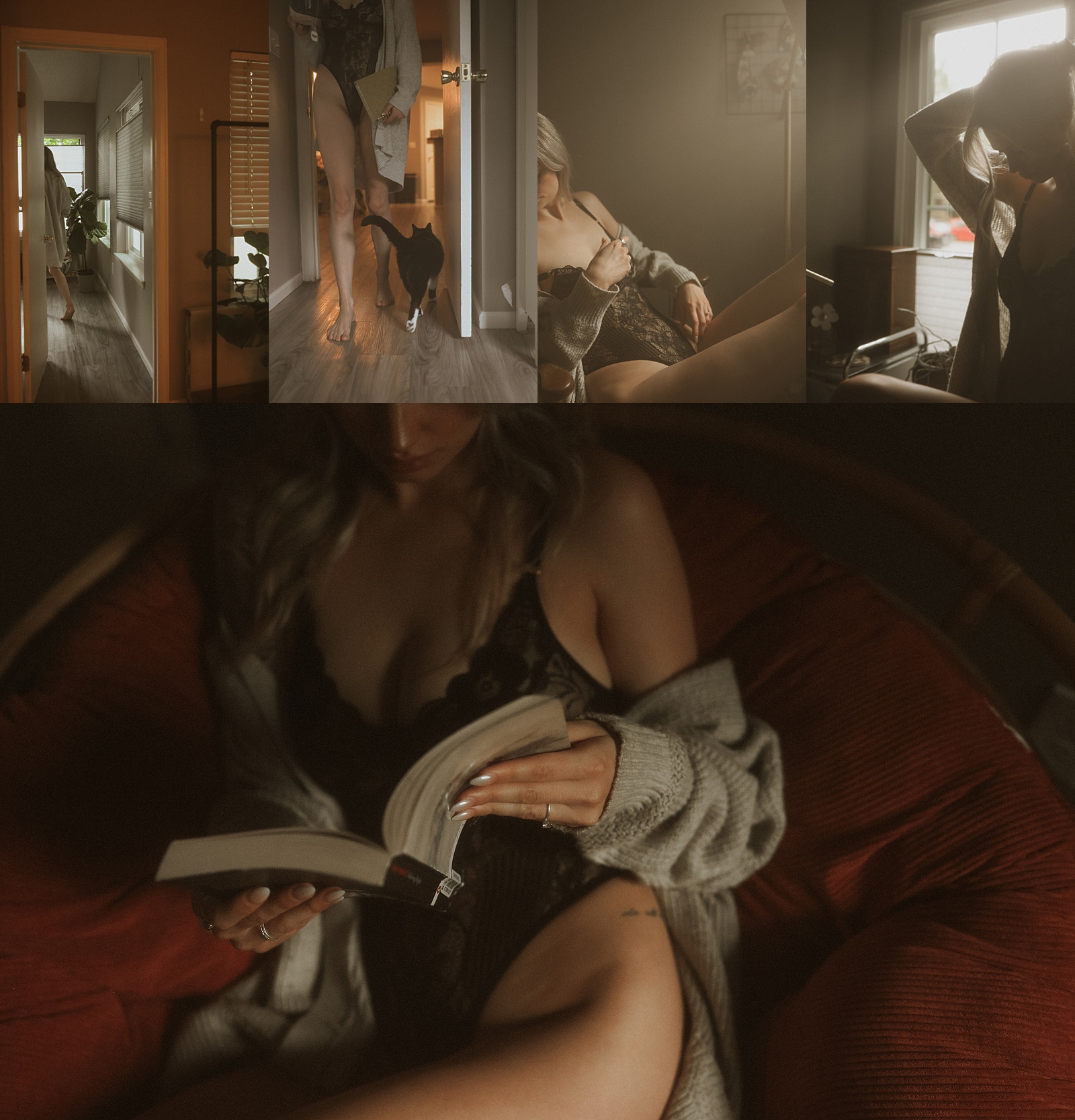
The Discomfort of Being Seen
Printing a photo asks something different (more) of us. Asking us to choose a moment. To say: this version of me is enough to keep. And for a lot of people, that’s where resistance lives. Not in the photo itself, but in the act of accepting it. Because being seen, and then choosing to hold onto that version of yourself? That’s a little scary.
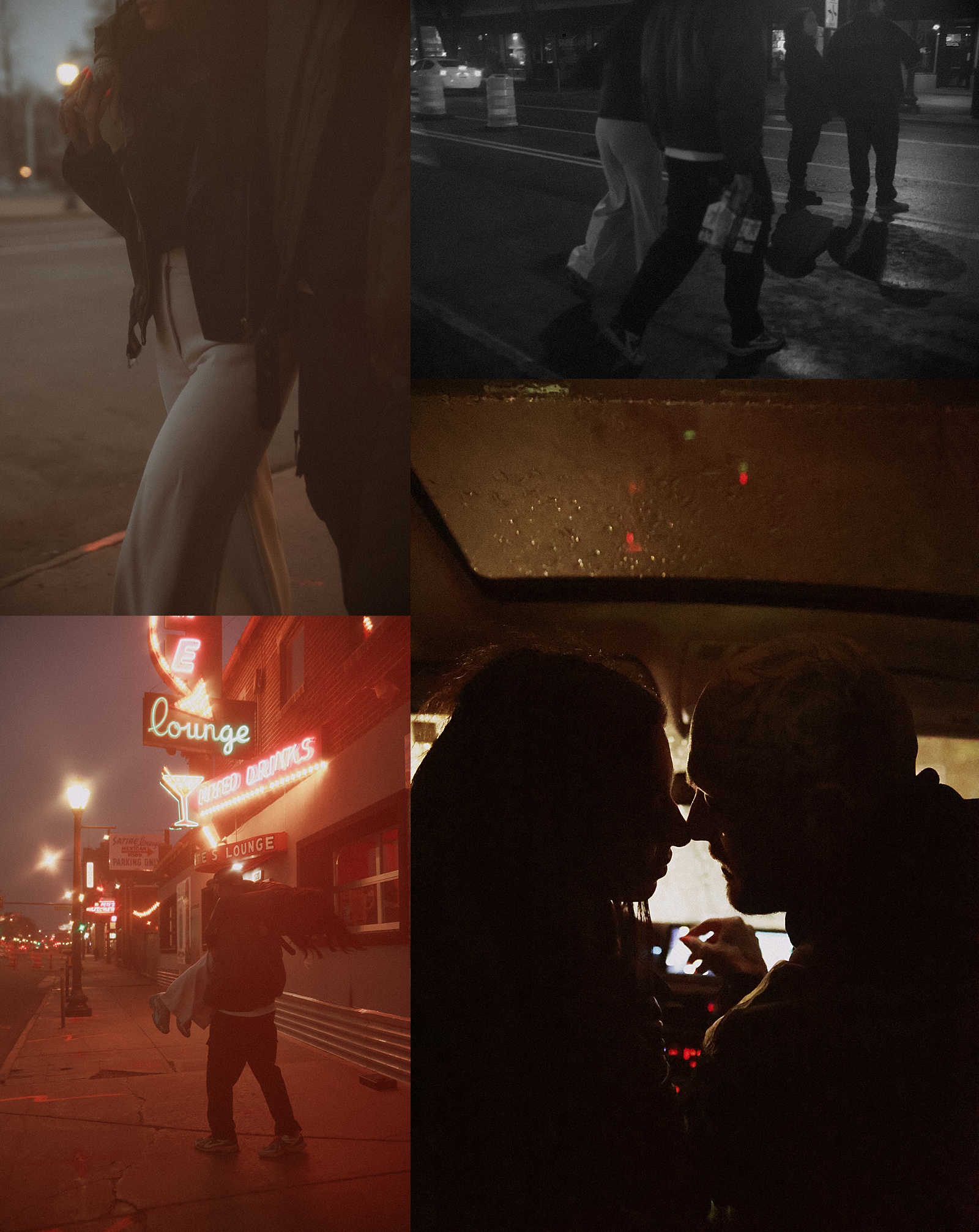
Digital Lives, Unfinished Stories
Right now, most of our memories exist in a kind of in-between space; not forgotten, but not fully lived with either. So, we tell ourselves: “I’ll go back to them.” But we don’t, because digital photos wait quietly. They don’t ask anything of us while printed photos do. Printed photos interrupt, they exist in our space and become part of our daily rhythm. But shouldn’t that be the point?
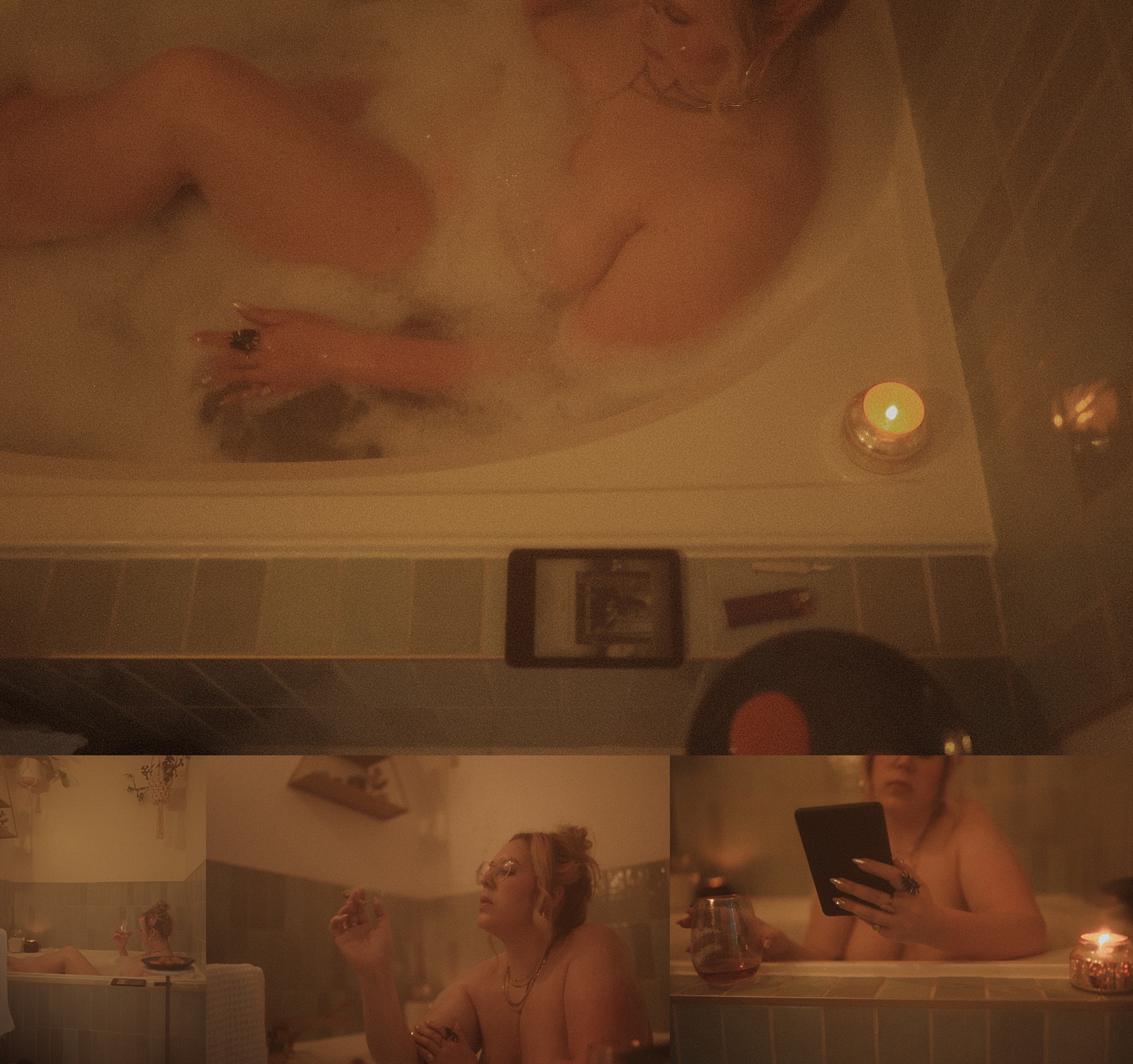
The New Generation and their psychology with photos
There is hope! Gen Z is printing twice as many photos as boomers, around 43% of Gen Z say they regularly print photos! The digital overload is creating a craving for something real, analog trending. Gen Z grew up with constant documentation, endless scrolling and thousands of images with no anchor. Therefor, physical photos feel different. Allowing them to slow things down, stand out while feeling intentional. Printing becomes a way to escape the noise. Gen Z is also deeply identity-focused, but also skeptical of performative identity. Social media = curated, shifting, external. Printed photos = grounded, chosen, personal. Printing is the real intention, saying “This is real enough to exist in my physical space.” Gen z recognizes that posting it isn’t the same as keeping it. The most digital generation is the one craving something they can hold.
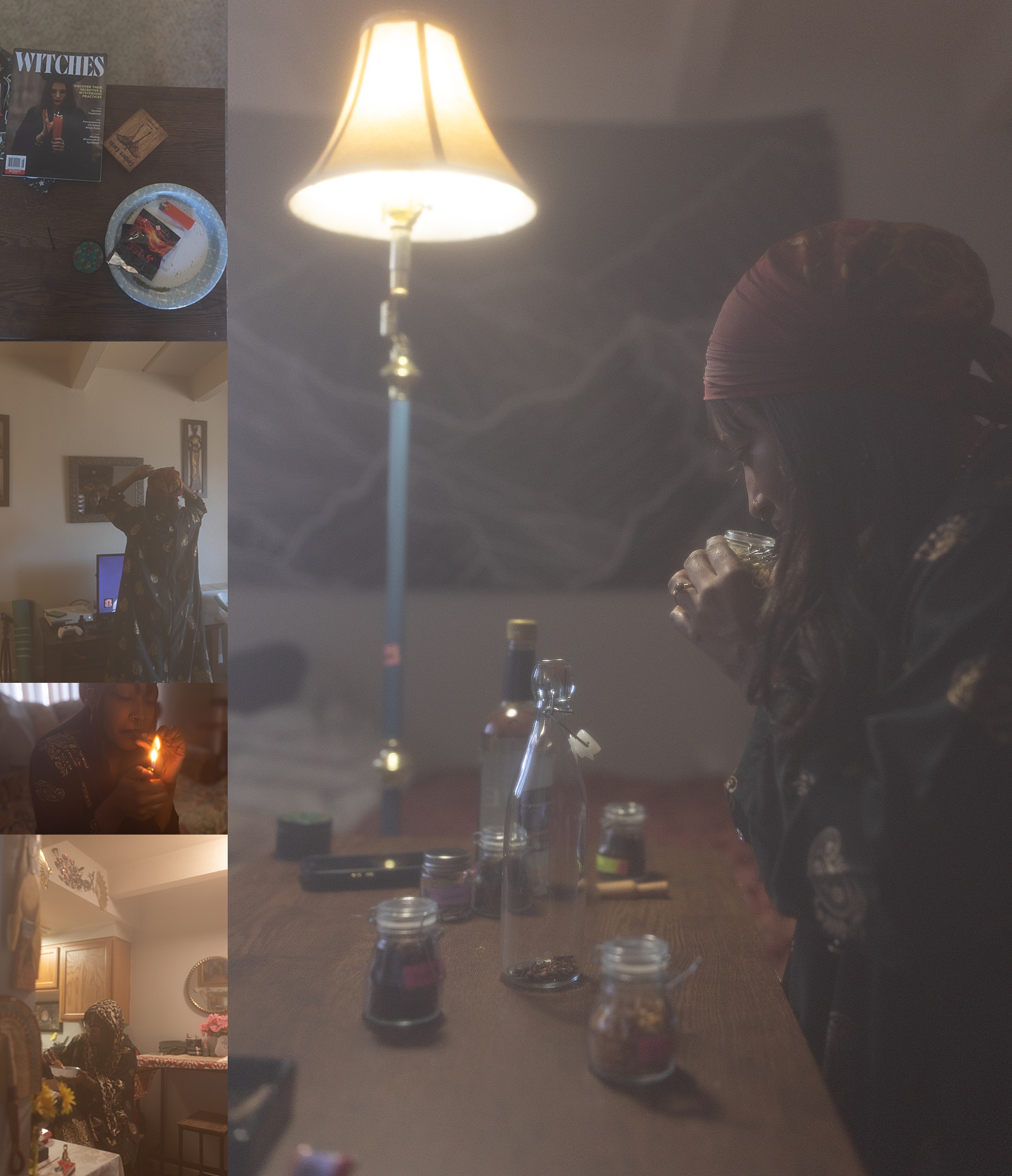
Where REVERIE comes in
We’ve gotten really good at capturing our lives—and really bad at holding onto them. Maybe, every once in a while, you deserve to experience it differently. To slow it down. To create something that doesn’t just live on your phone. That’s where REVERIE lives. In the images that don’t feel disposable—the kind you don’t swipe past, the kind that ask you to stay a second longer and actually see yourself there. Not perfect. Not performative. Just real enough to keep and come back to.
If you’re curious what that could look like for you, you can explore the REVERIE catalogs—and when it feels right, reach out.